A Walkable Day In Coronado Village
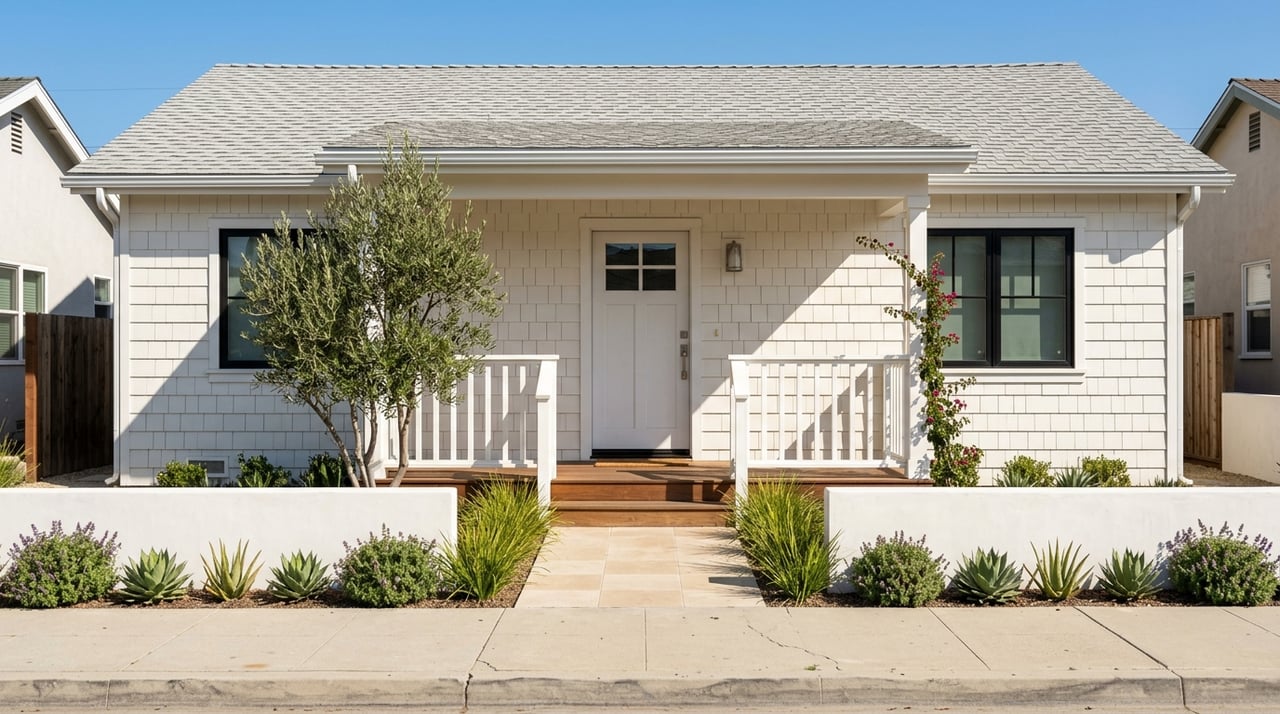
Ever wonder what daily life in Coronado Village actually feels like when you leave the car behind? In 92118, the answer is less about big-city density and more about a compact coastal core where coffee, shops, parks, the beach, and the bayfront all sit within a walkable village setting. If you are considering a move to Coronado or simply want a better feel for the neighborhood, this guide will show you how a day on foot can unfold here. Let’s dive in.
Coronado describes itself as a small seaside community with a village ambiance, and that framing matters. This is not an urban downtown in the traditional sense, but it is a human-scale district shaped around pedestrian movement and clustered destinations.
The heart of that experience is Orange Avenue. The city’s planning guidance for the corridor is meant to preserve village character while improving pedestrian, bicycle, and vehicle connections, which helps explain why the main street feels active, connected, and easy to navigate on foot.
A walkable day in Coronado Village often begins with coffee and breakfast along Orange Avenue. The Coronado Visitor Center lists a wide range of cafes and morning spots here, including Clayton’s Coffee Shop, Parakeet Cafe, L’Orangerie: Cafe on Orange, Little Frenchie, Bay Books Cafe, and Amalo Brew Coffee.
That concentration gives the street an easy morning rhythm. You can step out for coffee, settle into breakfast, and continue your day without needing to move your car between stops.
Once breakfast is done, the Village is set up for a casual walking loop. Orange Avenue includes more than 50 stores, with shopping categories that range from books and gifts to jewelry, shoes, bikes, beachwear, hardware, and vintage finds.
This variety is part of what makes the area practical, not just picturesque. A walk here can include browsing, picking up a few basics, or simply getting a feel for the pace of daily life in Coronado.
Public spaces help break up the retail corridor and give the Village its relaxed feel. Spreckels Park is one of the natural pause points in the neighborhood and adds to the village rhythm that Coronado is known for.
When you are walking through the area, these green spaces make the day feel more balanced. You are not just moving from storefront to storefront. You are moving through a community with places to sit, gather, and slow down.
One of the strongest signs of walkability is whether daily needs are close at hand. In Coronado Village, they are. Vons is located at 868 Orange Ave, the Coronado Public Library is at 640 Orange Avenue, and Sharp Coronado Community Pharmacy & Travel Clinic is at 230 Prospect Place.
That means a car-light routine can include more than leisure. Groceries, library visits, prescriptions, and nearby city services all fit into the same compact area, which is a meaningful advantage if you value convenience in your day-to-day life.
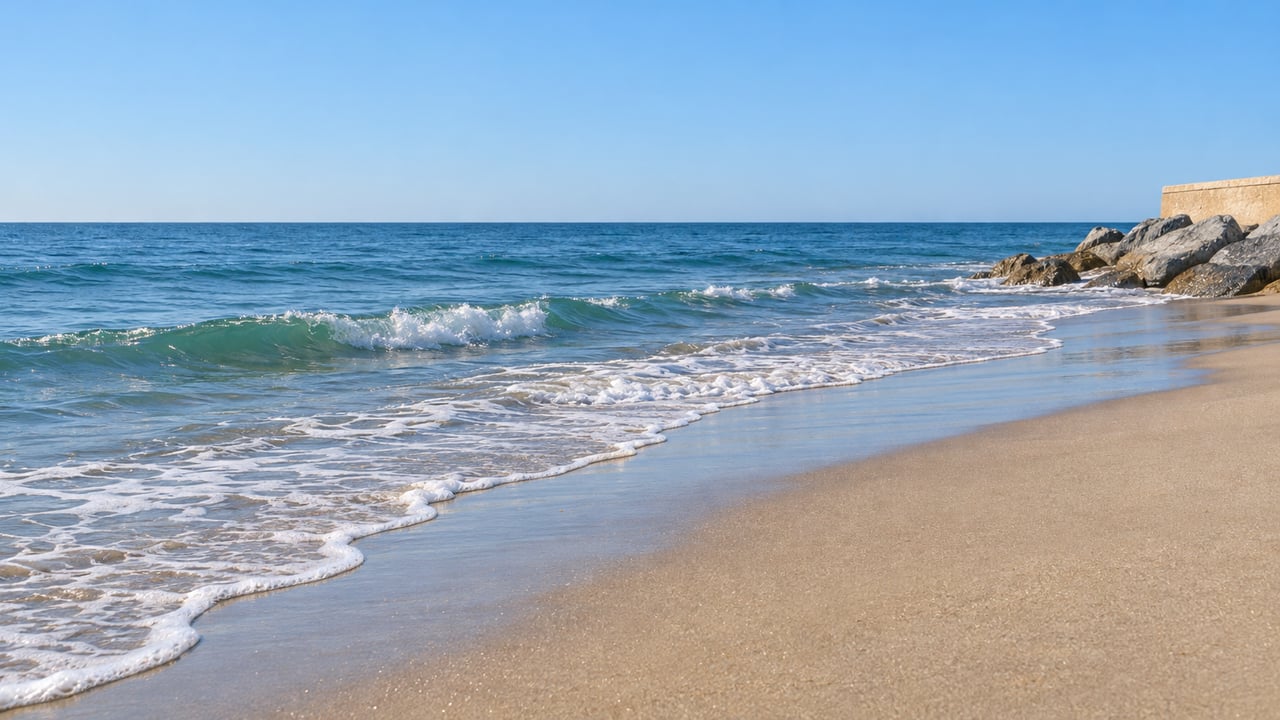
A walkable coastal neighborhood should connect naturally to the shoreline, and Coronado Village does. Coronado Beach stretches about 1.75 miles, with a beach sidewalk leading to the main lifeguard tower and public amenities that include restrooms and showers at Central and North Beaches.
The beach experience here feels organized and accessible. Year-round lifeguards staff Central Beach, and seasonal lifeguards serve Public Beach and Glorietta Bay, making the shoreline a real part of everyday life rather than a distant attraction.
If you are picturing a day on foot, it helps to know the public-space rules that shape the experience. The city prohibits smoking on public property, limits dogs to Dog Beach at the north end of Coronado Beach, and regulates fires, camping, and large gatherings.
Those rules create a clear structure for how the beach and nearby public areas are used. For many buyers, that kind of consistency is part of what makes Coronado feel orderly and easy to enjoy.
From the beach side, you can continue toward the bayfront for a different kind of waterfront setting. Glorietta Bay Park offers direct San Diego Bay access, a bike trail, a beach, and boat launch and dock amenities.
Nearby, the Boathouse adds another layer to the day with kayaking, stand-up paddleboarding, rowing, and rentals. Even if you are not planning a paddle session, the bayfront broadens the idea of what walkable living can look like in Coronado.
For an evening destination, Coronado Ferry Landing is a natural finish. Located at 1201 1st Street, it offers dining, shopping, and activity options along the bay and is open daily from 10 a.m. to 9 p.m.
It also gives the Village a second retail and leisure node beyond Orange Avenue. That matters because the neighborhood’s walkability is not built around a single block. It is shaped by several connected destinations that make a full day on foot feel realistic.
Ferry Landing stands out for its bay views and flexible evening options. You can browse boutiques, sit down for dinner, or simply take in the waterfront setting as the day winds down.
For someone exploring Coronado as a place to live, this is one of the most useful parts of the story. Walkability here is not only about errands or exercise. It is also about having places to enjoy the end of the day close to home.
Coronado’s Active Transportation Plan treats walking, bicycling, and wheelchair travel as core mobility options. That local planning focus supports the pedestrian feel many people notice when they spend time in the Village.
Transit also helps connect the island core. MTS Route 904 links Ferry Landing, Orange Avenue, the Hotel del Coronado, Coronado City Hall, and the Silver Strand, while Route 901 connects Downtown San Diego with Coronado via Imperial Beach.
There is also a city-subsidized commuter ferry between Coronado Ferry Landing and Broadway Pier for pedestrians and bicyclists during weekday morning commute hours. In summer, Coronado also operates a seasonal free shuttle on Route 904 from June 7 through September 7, running daily from 9 a.m. to 8 p.m. every 20 minutes.
Together, these options make Coronado feel less isolated than many beach communities. You may still use a car depending on your routine, but the Village offers enough proximity and transportation support to make car-light living a practical option for many households.
Coronado’s walkability comes with an important nuance. It is lively. The city says it welcomes about two million visitors a year, so resort and beach-adjacent blocks can feel busier on weekends, holidays, and in peak seasons.
That does not take away from the Village lifestyle, but it does shape the day-to-day experience. If you are considering a home in Coronado, it helps to understand which areas feel most central, which offer a quieter rhythm, and how your preferred routine lines up with the neighborhood’s activity patterns.
A neighborhood can look beautiful in photos and still feel very different in person. What makes Coronado Village stand out is the way its village-scale layout supports real daily use, from morning coffee and small errands to beach walks, park stops, and sunset dinners by the bay.
For buyers, that kind of lived experience often becomes a major part of long-term value. A home in a place where daily life flows easily on foot can offer a different level of convenience, connection, and enjoyment.
In Coronado, those details matter block by block. If you are evaluating the Village, the Shores, or another part of 92118, it helps to work with a local team that understands not just pricing, but how each area functions in everyday life, including access, setting, renovation potential, and long-term fit.
If you are exploring a move to Coronado or preparing to position a home for sale, Flagship Properties offers discreet, neighborhood-focused guidance backed by deep local knowledge and hands-on insight into coastal homes, historic properties, and renovation potential.
Stay up to date on the latest real estate trends.

You’ve got questions and we can’t wait to answer them.