Buying A Historic Home In Coronado Village
Are you drawn to Coronado Village’s classic bungalows and Spanish Revival gems, but unsure what “historic” really means for your purchase? You are not alone. Buying a character property in 92118 can be rewarding if you understand how designation, design review, and coastal factors affect what you can change and how you maintain it. In this guide, you will learn the essentials on historic status, the Mills Act, inspections, renovations, financing, and long-term stewardship so you can buy with clarity and confidence. Let’s dive in.
In Coronado, a home is “historic” when it is formally designated, such as a local landmark, a contributing property in a local historic district, or listed on the National Register of Historic Places. Designation can bring incentives, but it also adds review for exterior changes. “Character” is a common buyer term for homes with period charm that are not designated.
Local designation typically has the biggest practical impact on your plans. National Register listing is an honorary federal recognition and usually does not add local restrictions unless federal funding or permits are involved. The Hotel del Coronado is a National Historic Landmark and illustrates the city’s historic stature, but your renovation path will be defined by local rules on your specific parcel.
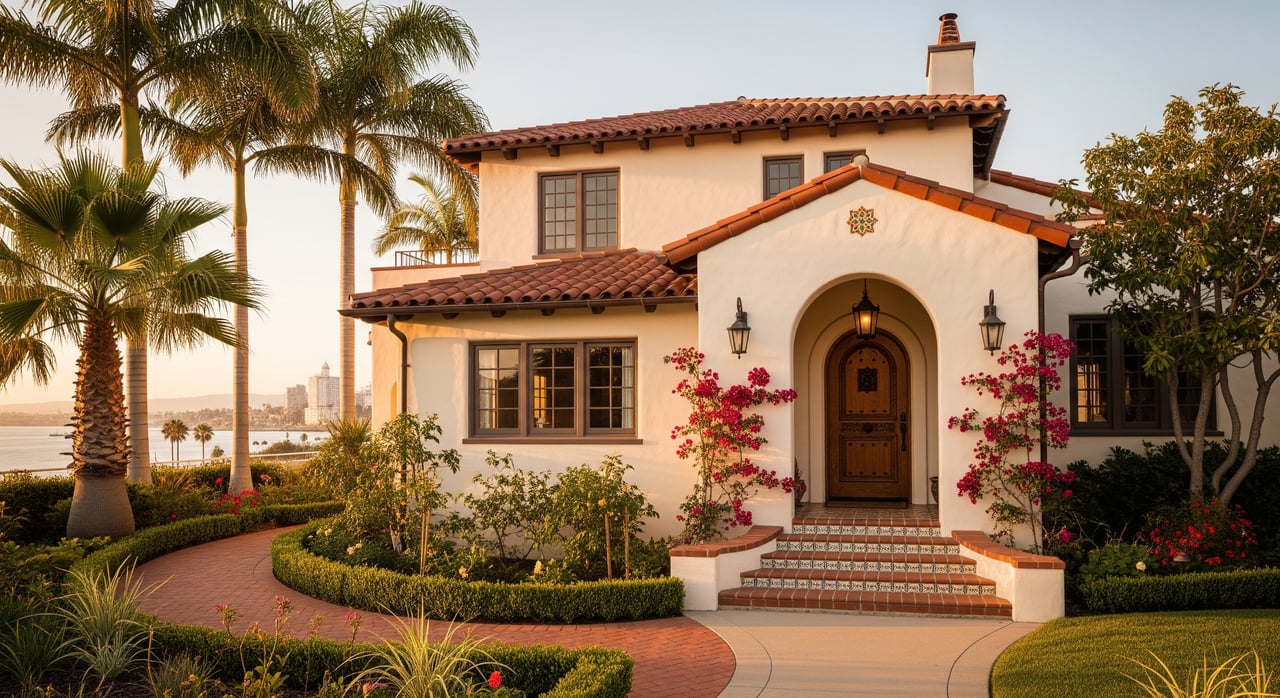
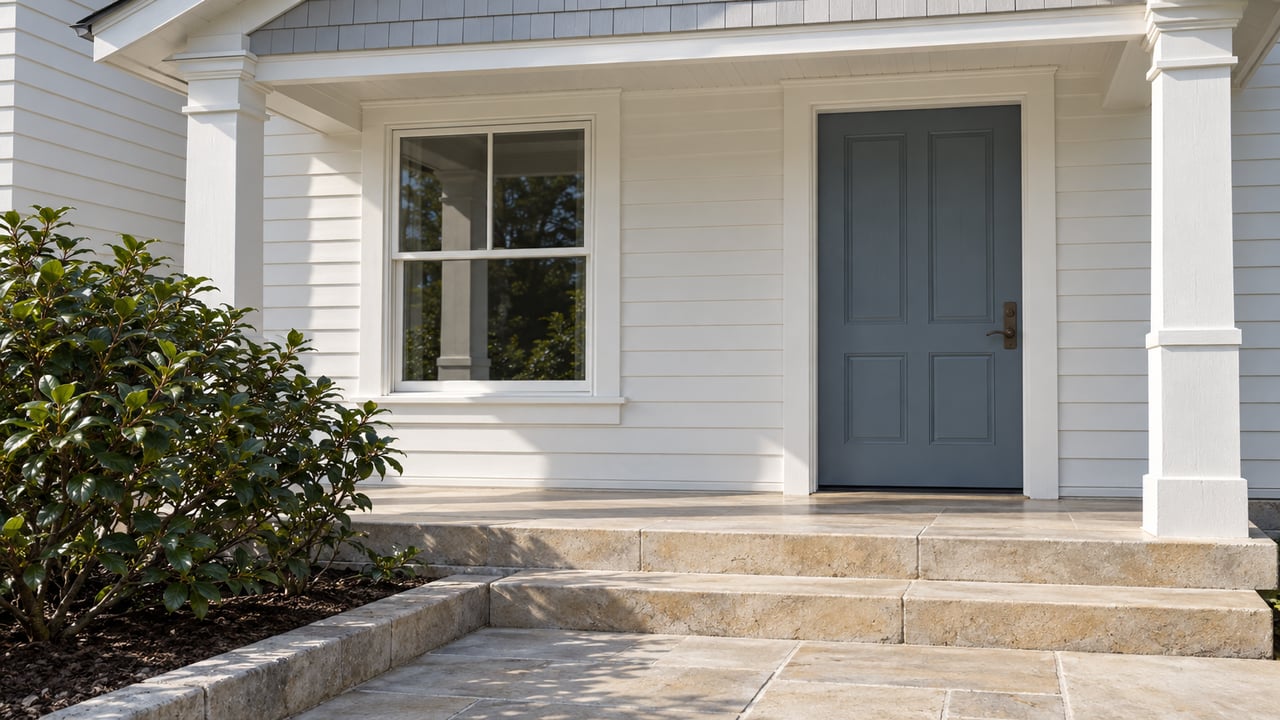
Coronado Village features late 19th- and early 20th-century homes with classic elements. You will often see wide front porches, wood framing with siding or stucco, exposed rafter tails, wood windows, and trim. Spanish Colonial Revival homes may include red clay tile roofs, decorative tile, and wrought iron details.
The coastal setting matters. Salt air and wind can accelerate wear on wood, metals, fasteners, and finishes compared with inland neighborhoods. Build a maintenance plan that prioritizes paint, sealants, corrosion checks, and moisture control to preserve these features.
If a property is locally designated, expect city design review for exterior alterations visible from the street. Typical triggers include demolition, additions, major facade changes, and window or roofing work that affects the public-facing appearance. In historic districts, contributing properties may also face review even if they are not individually landmarked.
Local rules do not replace standard building permits. Structural, mechanical, plumbing, and electrical work must meet code. In Coronado’s coastal zone, some projects may also require coastal approvals depending on location and scope. Plan for these layers early so your schedule and budget are realistic.
The Mills Act is a California program that allows cities to offer property tax reductions to owners of qualified historic properties in exchange for ongoing preservation and maintenance. The city enters a contract with the owner that sets a preservation plan and performance standards. Property taxes are often recalculated using a different assessment approach, which may yield meaningful savings.
Program details vary by city and are administered locally. Before you buy, verify whether the home already has a Mills Act contract, whether new contracts are available, and what obligations transfer at sale. Ask for the contract, the current compliance status, and a tax projection from the county assessor so you understand the financial impact.
Plan to preserve character-defining features such as porches, wood windows, trim, and distinctive roof forms. Local review often favors repair and in-kind restoration over full replacement. When energy performance is a priority, consider restoration with weatherstripping or compatible storm windows to retain historic appearance.
Match materials and details where changes are needed. Siding profiles, stucco textures, and roof tile shapes should be consistent with the existing building. For interior systems, you can usually modernize, but be thoughtful about new vents, ducts, and penetrations that might be visible on primary facades.
Seismic and structural work can be integrated in a sensitive way. Older chimneys, parapets, and soft-story areas may need reinforcement. Choose professionals with preservation experience so upgrades meet safety, code, and design review expectations without unnecessary visual impact.
A Mills Act contract can reduce property tax obligations while requiring you to maintain and preserve the home. Savings vary based on local practices and assessor calculations, so rely on a property-specific estimate. Federal rehabilitation tax credits typically apply to income-producing properties, not owner-occupied single-family homes.
Financing historic renovations can involve conventional loans, cash, or renovation products such as FHA 203(k) or Fannie Mae HomeStyle. Confirm that your lender and appraiser understand preservation review and the Coronado market for historic homes. Clear plans and vetted bids help appraisers and underwriters assess scope and value.
Insurance needs can be different along the coast. Check FEMA flood maps to see if the property is in a Special Flood Hazard Area and whether flood insurance is required by your lender. Review wind and salt exposure considerations, replacement-cost coverage for specialized materials, and whether your carrier offers endorsements tailored to historic structures.
Historic homes in the Village often attract buyers who value authenticity, craftsmanship, and the neighborhood’s sense of place. Designation and review may limit some alterations, which can deter buyers who want full flexibility. For preservation-minded buyers, the cachet of a well-maintained home, potential tax incentives, and the Village location can enhance desirability.
Think about your future buyer pool. A property with sensitive upgrades and documented maintenance tends to show well and justify value. Keep records of restoration work, permits, and materials used. This paper trail supports resale and eases any future design review.
You deserve advice that blends market insight with real build know-how. With deep roots in Coronado and hands-on design and construction expertise, our team guides you through designation checks, due diligence, and realistic scope planning. We help you anticipate review timelines, line up preservation-minded contractors, and model the Mills Act and insurance impacts.
If you decide to update or expand, we coordinate with experienced architects and builders who know Coronado’s process. When the time comes to sell, we position the property with tailored marketing that speaks to the right buyers and showcases your stewardship.
Ready to explore historic homes in Coronado Village with a clear, confident plan? Connect with Flagship Properties to schedule a private consultation.
Stay up to date on the latest real estate trends.





You’ve got questions and we can’t wait to answer them.