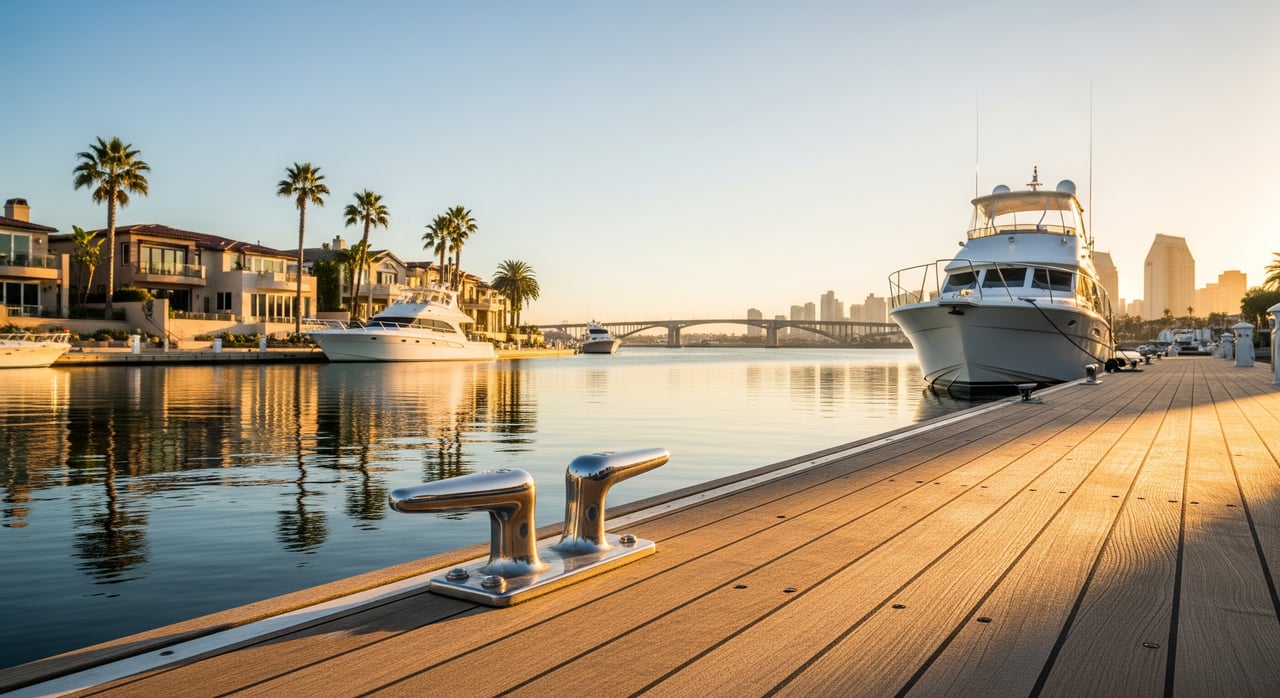
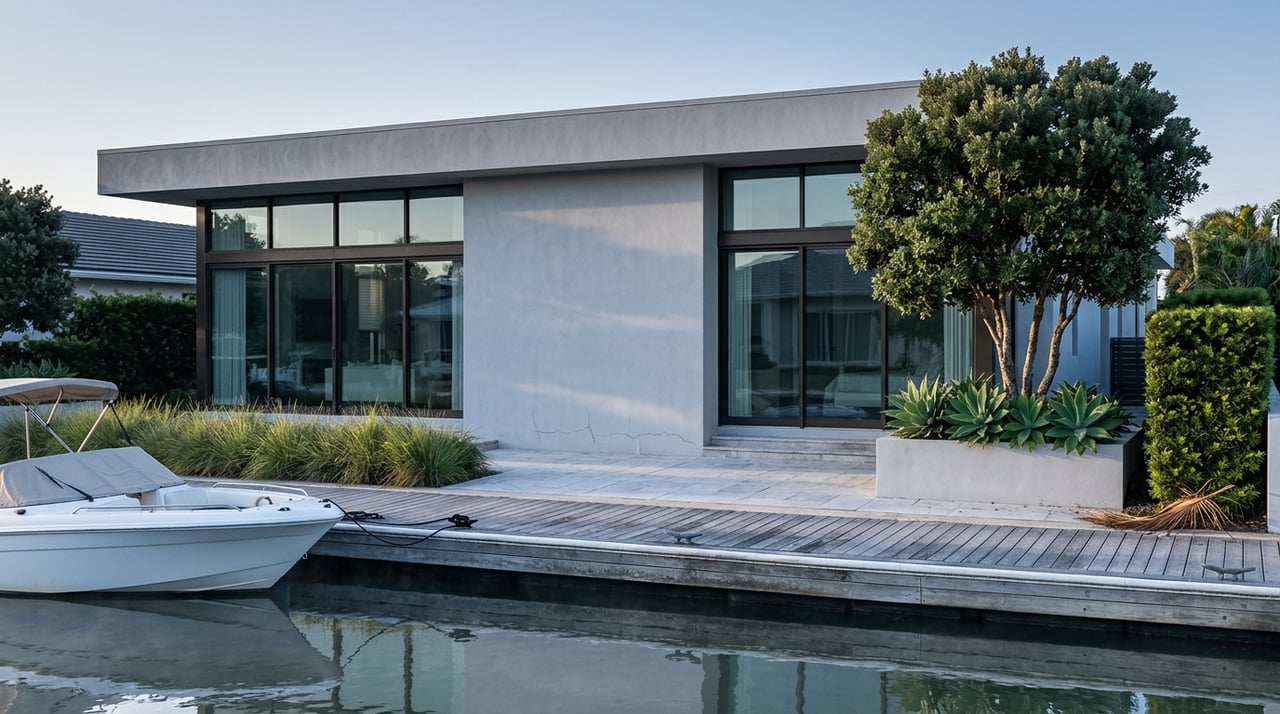
Buying or owning in Coronado Cays comes with a rare perk: the option to keep your boat just steps from your back door. The dock under it, though, is often the most complex part of the property to evaluate or improve. Between HOA rules, tidelands leases, and multiple agencies, a dock project can move smoothly or stall. This guide explains your dock options, the permits you are likely to need, what to confirm in escrow, and how to plan maintenance so you can enjoy the water with fewer surprises. Let’s dive in.
Dock options in Coronado Cays
Not all docks are created equal. In the Cays you will encounter a handful of common systems, each with tradeoffs that affect cost, approvals, and upkeep.
Private fixed docks (pile supported)
Fixed docks use piles to support a rigid platform. They suit calmer areas with stable seabeds and lighter tidal change. They can be very durable and accommodate built features like walkways.
Pros include solid feel and longevity. Cons include less ability to adjust to water-level changes and more intensive permitting for pile work.
Floating docks with gangways
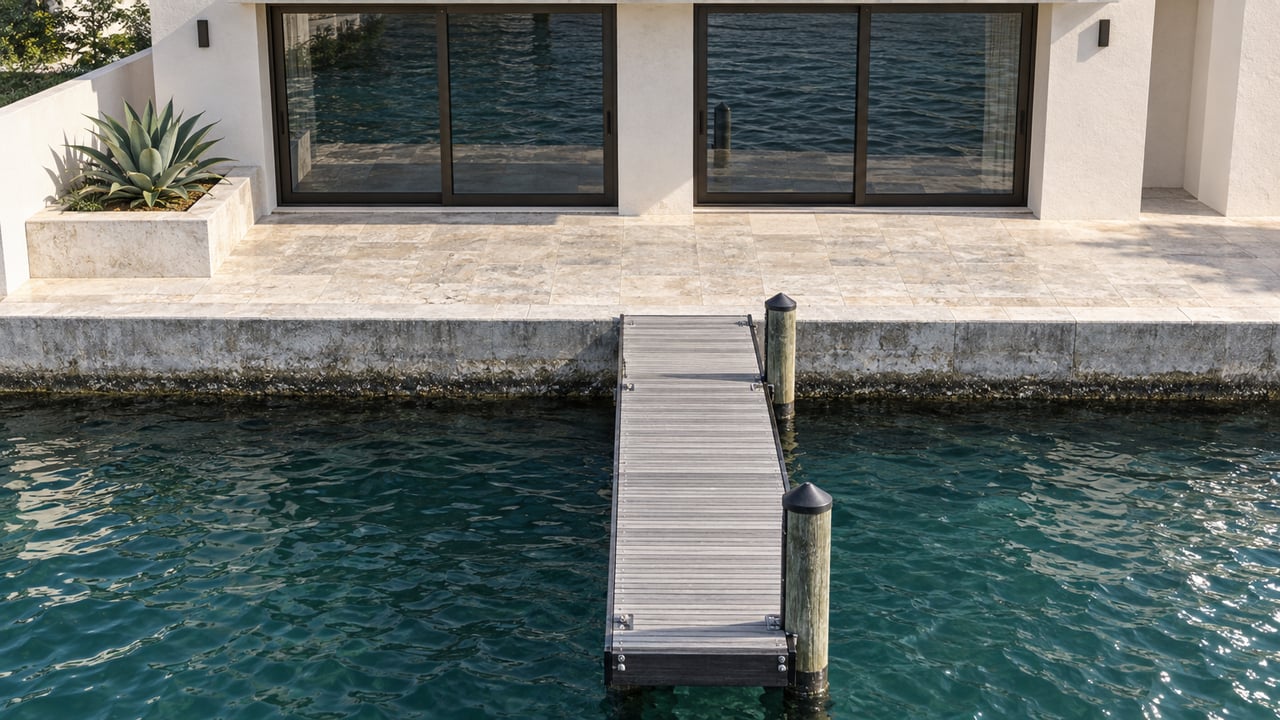
Floating docks are common in residential canals. They ride with the tide and connect to shore by a gangway. They are often simpler to adapt or replace as needs change.
Pros include easier installation and replacement. Cons include ongoing flotation and anchorage maintenance and higher exposure to wake or wave energy in open reaches.
Boat lifts and davits
Lifts raise a vessel out of the water, while davits act like compact cranes for smaller craft. These add convenience and can reduce hull fouling.
They typically require approvals because they change the structure’s footprint or add overhead equipment. Electrical work by a licensed professional is common.
Finger piers and catwalks
These are narrow walkways that improve access and mooring. They offer a smaller surface area and a lighter presence in the canal.
They still generally require review, especially if piles are added or replaced.
Slip sizing and fit: key measurements
The slip’s size and your boat’s geometry determine whether the pairing works. In the Cays, residential slips often serve boats from roughly 24 to 50-plus feet, depending on the lot and channel.
Important slip metrics include:
- Slip length: measured from the seawall or walkway to the end of the slip.
- Beam clearance: usable width, including space for fenders and drift.
- Water depth: confirmed at mean low water or mean lower low water.
- Overhead clearance: bridges or structures that limit height.
- Turning basin radius and channel width: available space to maneuver.
A practical approach is to compare your boat’s overall length and beam, plus fender and swing clearance, to the slip’s usable dimensions and the channel layout. If anything looks tight, ask for recent depth soundings and study the turning room near your lot before you commit.
Channel and site factors that matter
A slip that looks perfect in photos can feel different on the water. Local channel conditions influence safety, wear on your dock, and the permits you may need.
- Channel width and turning basins: Narrow sections can make approaches stressful for larger boats. Evaluate wind and current conditions during your test approach.
- Depth and shoaling: Depth can vary seasonally. Request recent bathymetry or permission to get a new sounding.
- Currents, wakes, and fetch: Open exposures to the Bay bring more wave energy. This affects floating dock choices and anchoring systems.
- Neighboring structures: Adjacent piles, gates, or slip orientations can affect mooring configurations and access.
Permitting and approvals: who does what
Coronado Cays sits where private property meets tidelands. That means overlapping jurisdictions. Most projects involve several approvals that need to be coordinated.
- Port of San Diego: Manages tidelands and harbor uses. New docks, replacements, and many repairs that occupy water area typically require a lease or encroachment permit. Conditions often address materials, environmental protections, use limits, and insurance.
- City of Coronado and Local Coastal Program: The City oversees local planning, building codes, and Coastal Development Permits where covered by its program. Some projects may require direct California Coastal Commission review depending on scope.
- U.S. Army Corps of Engineers: Federal permits can apply to structures or work in navigable waters, such as Section 10 for in-water structures or Section 404 where fill is involved.
- Regional Water Quality Control Board: May require water quality certification for projects that also involve federal permits or add structures to the waterway.
- California Department of Fish and Wildlife: Less common in urban marinas, but possible where habitat considerations exist.
The practical takeaway: you may need to satisfy multiple authorities separately. Start early and coordinate approvals so conditions do not conflict.
Step-by-step: how to move a dock project forward
Here is a typical path. Your sequence may vary by scope and site.
- Preliminary due diligence
- Review deed and title for riparian rights, easements, and any dock lease or license. Confirm whether any lease is transferable.
- Collect as-built drawings, surveys, and prior permits or leases from the seller or HOA.
- Read HOA CC&Rs, architectural guidelines, and any minutes discussing dock standards or disputes.
- HOA approval and architectural review
- Most Cays projects need HOA sign-off before agency submissions. Align your design with material, color, lighting, and hardware standards.
- Some designs may require neighbor notification or consent.
- Port of San Diego lease or encroachment permit
- New work over tidelands or any private use occupying water area generally requires Port authorization. Expect conditions on structure type, environmental measures, insurance, and fees.
- City permits and coastal review
- Depending on scope, obtain a Coastal Development Permit through the City or, where required, work with the California Coastal Commission. Secure building permits for structural and utility work.
- Federal and state permits if applicable
- The Army Corps may require permits for in-water structures. Water quality certification and resource agency coordination can apply based on scope.
- Construction, inspections, and closeout
- Use licensed contractors. Electrical work should include proper GFCI protection and bonding. Complete inspections and update as-built records as required by lease or permits.
HOA rules and dock rights during a sale
Community rules shape what you can build and how you can use it. They also affect resale.
- Design standards: Materials, finishes, lighting, ladders, and guard elements often have defined standards.
- Use restrictions: Rules can limit live-aboards, commercial activity, or guest mooring.
- Maintenance and insurance: CC&Rs often define whether the owner or HOA maintains certain elements and what liability coverage is required. You may need to name the HOA or Port as additional insured.
For transactions, do not assume dock rights transfer automatically. Some leases or licenses require Port approval and may involve transfer fees. Recorded violations or expired permits can delay or condition escrow. Build an escrow checklist that includes all leases, approvals, and evidence of final inspections.
Maintenance and inspection planning
Dock systems live in a harsh environment. A proactive plan protects safety and value and supports smooth permit renewals or lease compliance.
- Floats and pontoons: Inspect for water ingress, cracking, and UV wear. Expect periodic replacement or sealing based on material and age.
- Piles and structural members: Look for rot, marine-borer damage, and corrosion. Pile sleeves or concrete piles have different lifespans and repair methods.
- Hardware and fasteners: Check stainless or galvanized connections for galvanic corrosion. Replace on a schedule.
- Decking: Wood needs more frequent refinishing. Composite reduces finishing but still requires safety checks for traction and fasteners.
- Electrical: Inspect shore power, GFCI protection, bonding, and metering. Use licensed electricians for upgrades and repairs.
- Mooring gear: Replace lines based on UV exposure and wear.
Inspection cadence:
- Annual: Visual check and minor maintenance.
- Every 3 to 5 years: Full structural review by a marine contractor or engineer, or after significant storms.
- Post-storm: Immediate visual check for damage and loose connections.
Budget guidelines vary by scope and materials. Plan for routine annual maintenance, and recognize that major float or structural replacements can reach into the tens of thousands for residential docks. Permitting, surveying, and engineering can add several thousand based on complexity. Utility upgrades can range from a few thousand to well into five figures depending on routing and metering.
Buyer due diligence checklist
When you evaluate a Cays property with a dock, request and verify the following before you remove contingencies.
Legal and title
- Copy of any recorded tidelands lease or license and amendments
- As-built dock plans and any recorded easements
- HOA CC&Rs, architectural standards, and recent minutes discussing docks
- Evidence that dock rights are transferable, if applicable
Physical and operational
- Recent depth sounding or bathymetry adjacent to the slip
- Survey showing waterline, mean high and low water references
- Electrical service map for shore power and metering
- Maintenance records, recent inspection reports, and photos
Permits and compliance
- Copies of all permits and approvals, with conditions and expiration dates
- Evidence of final inspections and any open violations
- Current insurance certificates with required endorsements
Practical checks
- Assess turning room and channel access under typical wind and tide
- Note neighbor docks, piles, and overhangs that could affect approach
- Ask about any unrecorded neighbor agreements for docking or access
When to bring in professionals
You will save time by using local specialists who know Coronado’s channels and agencies.
- Marine contractors with Port and City experience for construction and repairs
- Marine surveyors or structural engineers for condition assessments and design
- Permit expediters or coastal consultants for multi-agency coordination
- Title professionals or real estate attorneys for lease transfer language
If you are weighing value-add changes as a buyer or planning a renovation as an owner, aligning your dock plan with your home’s design and utility needs helps. Flagship’s integrated design/build perspective allows you to evaluate feasibility, cost, and permitting sequence before you commit.
Ready to evaluate your dock?
A well-documented, well-permitted dock can enhance day-to-day enjoyment and protect long-term value. Whether you are buying in the Cays or planning an upgrade, a clear plan and the right team make the difference. For a confidential review of your options and a practical next-step roadmap, connect with Flagship Properties.
FAQs
What permits do I need to replace a dock in Coronado Cays?
- Most projects require HOA approval, Port of San Diego authorization, City building permits, and sometimes Coastal Development Permit and federal or state reviews depending on scope.
Do dock rights transfer when I buy a Cays home?
- Not always; many tidelands leases or licenses require Port approval and may include transfer fees, so confirm transferability and conditions during escrow.
Can I add a boat lift to my existing Cays slip?
- Possibly, but lifts often trigger HOA review, Port authorization or lease amendment, and building/electrical permits; structural and access impacts must be evaluated.
How big a boat can I keep at a typical Cays slip?
- It depends on documented slip length and width, channel clearance, and water depth; many residential slips accommodate roughly 24 to 50-plus feet, but verify on site.
Who maintains a shared or community-adjacent dock?
- Maintenance responsibility varies by CC&Rs and deed; some docks are owner-maintained, others HOA-maintained, and some are mixed, so confirm recorded obligations.