Historic Or New Build In Coronado Village?
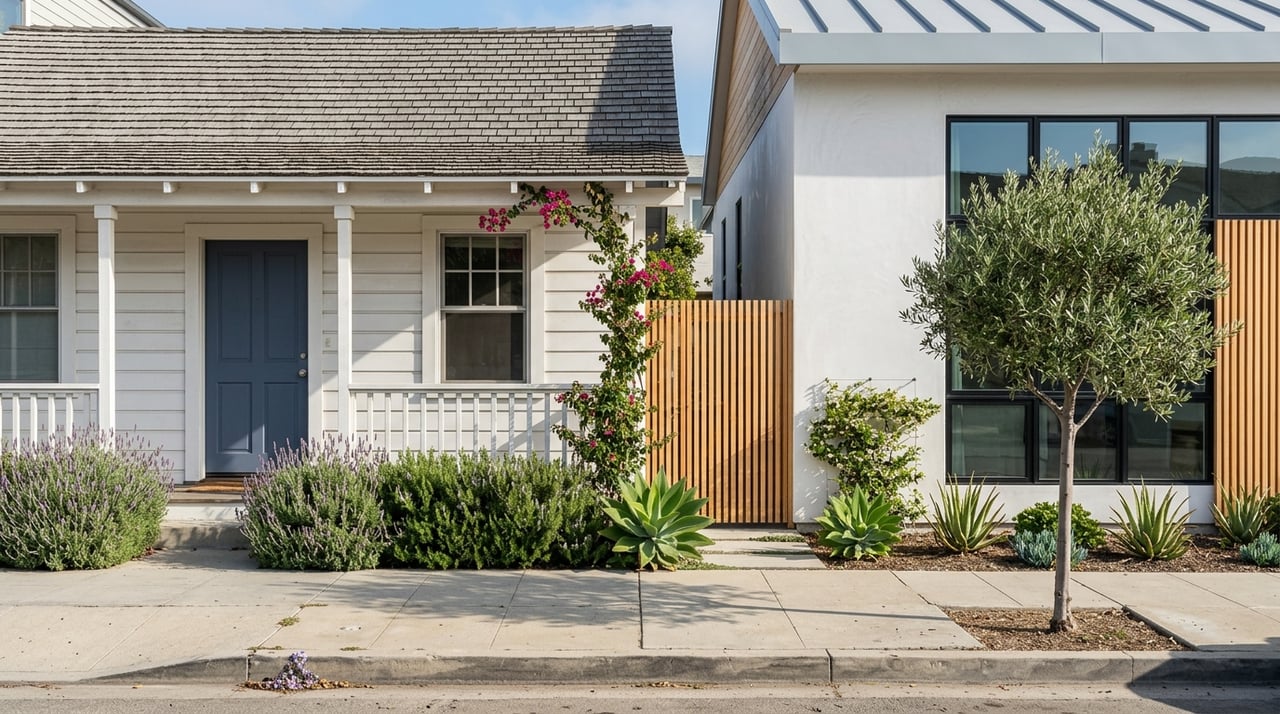
You can fall in love with two very different versions of Coronado Village. One may be a compact cottage with original detailing and a strong sense of place. The other may be a newer home with a more turnkey layout and fewer preservation-specific constraints. If you are weighing a historic home against a new build in 92118, the right choice usually comes down to how you want to live, what changes you may want to make, and how comfortable you are with local review rules. Let’s dive in.
Coronado is an incorporated 1890 seaside community that the City describes as a small seaside place with a rich history and an ocean-village atmosphere. In the Village, that history shows up in a layered housing mix that includes early architectural styles as well as later infill and rebuilt homes.
That matters because the decision is often not simply old versus new. In many cases, you are really choosing between Coronado’s preservation-era fabric and a later infill or rebuild that reflects a different phase of the Village’s growth.
Older Village homes often stand out for their scale, texture, and period details. The City’s historic context identifies several common forms that still shape the look of Coronado today.
Queen Anne homes often have asymmetrical forms, steep or irregular rooflines, porches, towers, bays, and decorative wood detailing. These are usually the homes that make you pause on a walk because the craftsmanship is visible from the street.
California Bungalow and Craftsman Bungalow homes are typically one to one-and-a-half stories. You will often see sloping roofs with exposed rafters, dormers, prominent porches, and stucco or wood cladding.
Beach cottages are generally smaller and more modest in scale. They usually feature a gable roof, wood cladding, and an indoor-outdoor orientation that fits Coronado’s coastal setting.
For many buyers, the appeal of a historic Village home starts with character. These homes often offer architectural authenticity, period detailing, and a smaller-scale massing that feels tied to Coronado’s original village fabric.
If you value stewardship and want a home with visible history, an older property can be especially compelling. In practical terms, you may be choosing a house that feels less standardized and more connected to the neighborhood’s long-term identity.
Historic homes can also open the door to the Mills Act if the property is a designated Historic Resource in a residential zone and qualifies for a local agreement. Coronado describes the Mills Act as a recorded contract that can reduce property taxes in exchange for preservation and restoration, though the actual savings vary by property and county assessor practices.
The tradeoff for character is usually process. If a property is a designated Historic Resource, any exterior modification requires a Historic Resource Alteration Permit and a noticed public hearing.
The City says approval findings must address consistency with the Secretary of the Interior’s Standards and, when relevant, the City’s Mills Act alteration guidelines. That means exterior work is not just about your design preferences. It also has to fit the preservation framework that applies to the property.
There is another review point buyers should know. If a project involves demolition or removal of original features visible from the street on a structure that is 75 or more years old and not a Tier 3 property, Coronado requires a Determination of Historic Significance review.
For you as a buyer, this means future changes may take more planning than expected. A remodel may still be possible, but it should never be assumed to be simple just because you own the home.
Coronado’s newer housing stock grew in later phases, especially after the San Diego-Coronado Bridge opened and more open lots were filled. The City’s historic context notes newer single-family houses, duplexes, bungalow courts, and small apartment buildings as part of that expansion.
In the Village, a newer home often feels different in both layout and expectations. You may see more modern systems, a more current floor plan, and fewer preservation-driven obligations than you would with a designated historic property.
Many buyers are drawn to newer construction because it can offer a more predictable move-in experience. If your priority is convenience, updated systems, or a layout designed for today’s living patterns, a newer home may feel easier to manage from day one.
A new build or major rebuild may also be a better fit if you want more freedom around finishes, spatial flow, or home function. That does not mean unlimited flexibility, but it may mean fewer requirements tied to preserving original exterior character.
This path often appeals to buyers who want the Village location without taking on the responsibilities that can come with a designated historic home. If you prefer a home that is more turnkey, the newer inventory can be a strong match.
It is important not to confuse newer with unrestricted. Coronado’s Design Review process includes supplemental materials for new construction or exterior remodel projects.
The City states that Planning and Design Commission applications must be submitted with required plans, materials, fees, and public notice documents. So while a non-historic new build may avoid historic-preservation review, it still has to comply with local design review and related permitting.
That distinction is important when you compare options. A newer home may reduce preservation-specific constraints, but it does not remove the need for thoughtful due diligence before you plan changes.
| Consideration | Historic Village Home | New Build or Rebuild |
|---|---|---|
| Main appeal | Character, period detail, village scale | Turnkey living, newer systems, modern layout |
| Exterior changes | May require historic review and public hearing if designated | Still subject to design review and permitting |
| Renovation approach | Often best for phased, careful updates | Often better for customization without preservation-specific rules |
| Tax factor | May have Mills Act potential if eligible | No Mills Act preservation contract benefit described here |
| Best fit | Buyers who value authenticity and stewardship | Buyers who value predictability and flexibility |
A historic cottage is usually the better fit when you care most about authenticity, architectural character, and neighborhood scale. It also makes sense if you are comfortable working through review processes with architects, contractors, and preservation considerations before making changes.
A newer home is often the better fit when you want a more predictable move-in experience and fewer preservation-specific rules. It may also suit you if layout, systems, and finish flexibility rank higher than period character.
One of the most useful questions to ask yourself is this: do you want to preserve a home’s story, or do you want a home that gives you a cleaner slate? In Coronado Village, that answer often points you toward the right inventory faster than any style preference alone.
Before you move forward on either type of property, confirm the facts that shape what you can do next. In Coronado, a home’s status can directly affect your renovation path, timing, and carrying costs.
Focus on these steps early:
This is where local knowledge becomes especially valuable. In Coronado Village, two homes on nearby blocks can look similar from the street and still come with very different review histories and future options.
In a market like Coronado, the smartest purchase is not always the one that looks best at first showing. It is the one that aligns with your goals, your timeline, and the level of renovation or stewardship you are prepared to take on.
That is especially true when you are comparing a heritage property with a newer home. A clear understanding of design review, historic status, and renovation feasibility can help you avoid surprises and make a more confident decision.
Whether you are drawn to a preserved cottage or a custom coastal rebuild, the best next step is a property-specific conversation. For discreet guidance on Coronado Village homes, renovation potential, and local positioning, connect with Flagship Properties.
Stay up to date on the latest real estate trends.


You’ve got questions and we can’t wait to answer them.