Outdoor Living In Coronado Village Homes
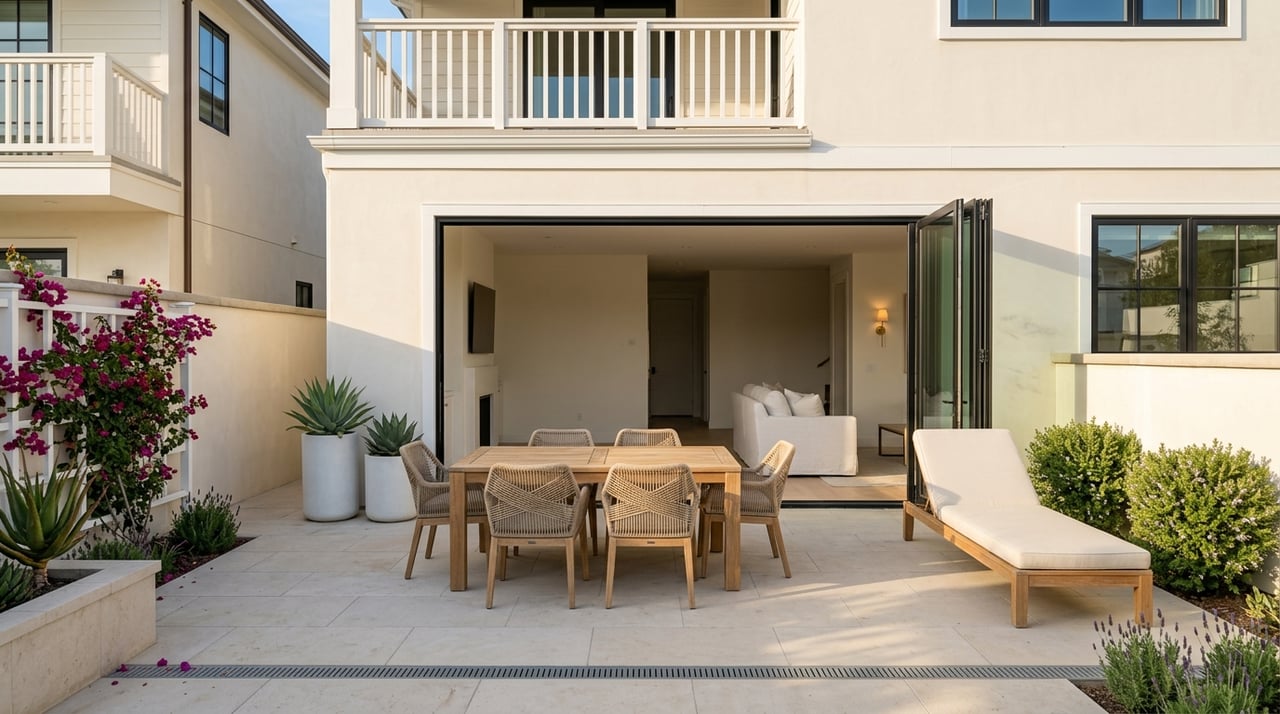
What if your favorite room in a Coronado Village home is not fully inside? In 92118, outdoor living often feels less like a bonus and more like part of the daily routine. If you are buying, renovating, or preparing to sell in the Village, understanding how exterior space works here can help you make smarter design and value decisions. Let’s dive in.
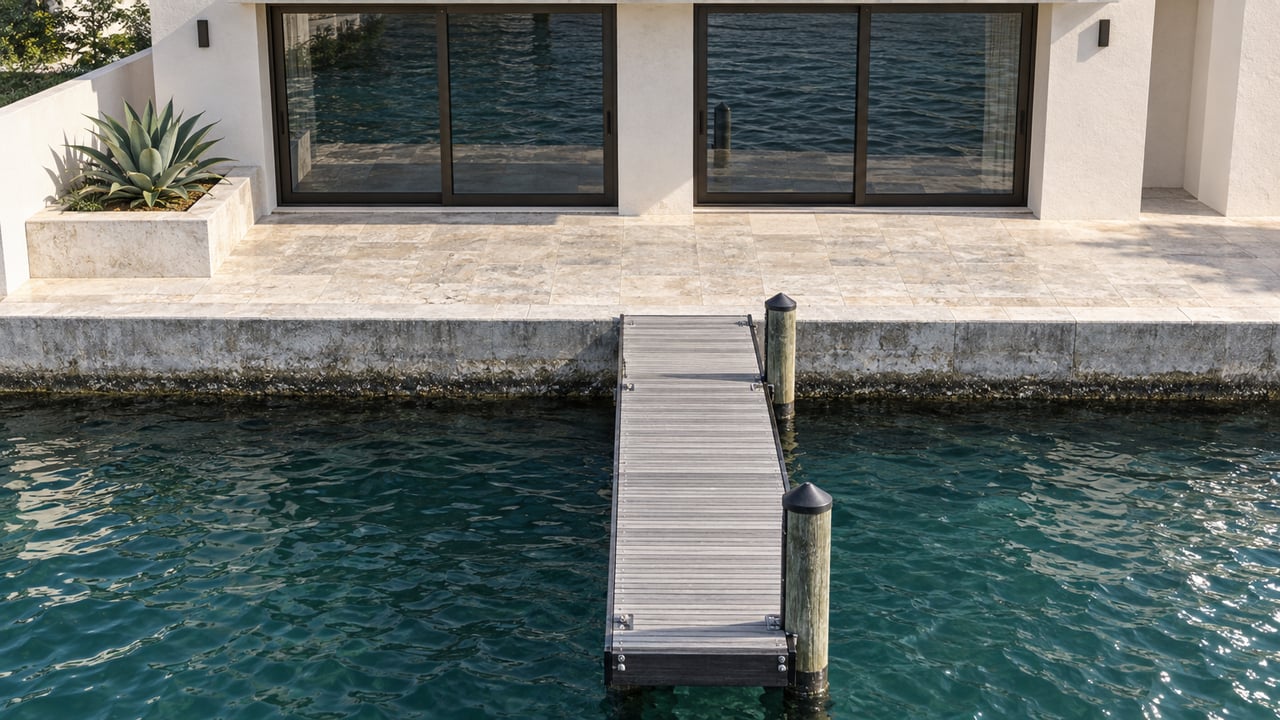
Coronado’s setting makes outdoor space feel natural in everyday life. The City of Coronado describes the community as being surrounded by San Diego Bay and the Pacific Ocean, with public parks, a boat launch, and dedicated bike and walking paths. The city’s historic resources survey also points to parks, beaches, and green space as part of the local land use pattern.
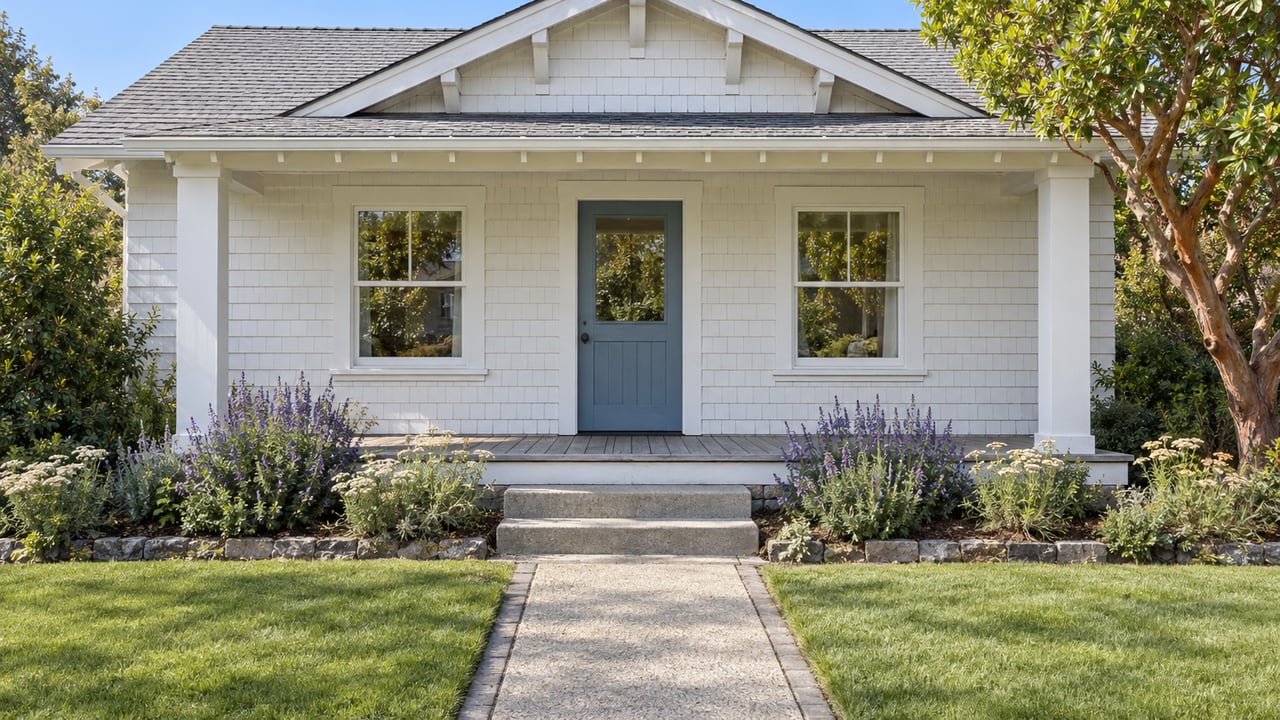
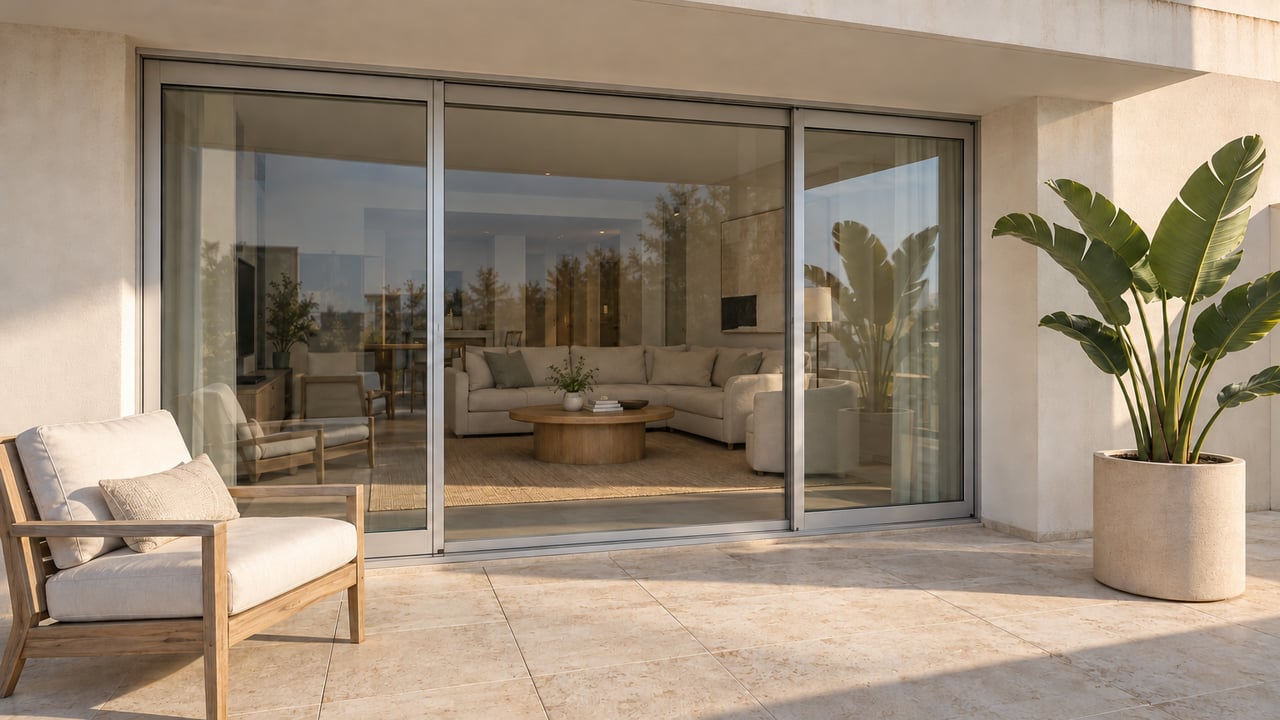
That combination shapes how you experience home. In Coronado Village, a front porch, courtyard, balcony, or roof deck can feel like a practical extension of your living space. Instead of being reserved for rare occasions, these areas often support morning coffee, quiet evenings, and casual entertaining in a compact coastal setting.
One of the biggest reasons outdoor living works so well here is the local climate. The National Weather Service data for the nearby North Island station, a strong local proxy for Coronado conditions, shows an annual mean maximum temperature of 68.7°F and an annual mean minimum of 57.2°F. Annual precipitation is just 9.02 inches.
Monthly mean maximum temperatures range from about 63.4°F in January to 75.2°F in August. The broader San Diego coastal climate is also moderated by the Pacific Ocean, which keeps summers cooler and winters warmer than inland areas at the same latitude. For you as a homeowner, that means exterior spaces can stay comfortable and usable through much of the year.
This is not a desert climate or a tropical climate. It is a mild marine environment, and that distinction matters. In Coronado Village, outdoor rooms tend to succeed because they are comfortable, breezy, and easy to use across seasons.
Outdoor living in Coronado Village does not usually look like it does in larger-lot suburban neighborhoods. According to the City’s Historic Context Statement, minimum lot sizes generally range from 3,500 to 7,500 square feet, with many residential blocks showing a uniform setback pattern. The same document notes the presence of accessory dwelling units and alley houses in parts of the city.
In practical terms, that often means homes are planned around efficient, layered outdoor areas rather than broad backyards. You may see a shaded front porch, a side patio, a private courtyard, or a compact upper-level deck doing more work than one oversized lawn. In the Village, proportion matters.
The Orange Avenue Corridor also helps explain the area’s compact feel. The City’s Housing Element notes that the corridor between First Street and Adella Avenue includes regulations for high-quality multifamily structures, with a minimum 3,500-square-foot lot or building site and a density limit of 40 dwelling units per acre. That mix helps create a Village core where detached homes, duplexes, condos, and mixed-use buildings sit in a tighter urban pattern.
Coronado’s historic residential styles add another layer to how exterior spaces function. The City identifies Spanish Colonial Revival, Mediterranean Revival, Tudor Revival, and Craftsman as common historic residential styles. While the city does not directly state how each style should be used today, this mix naturally supports elements like porches, terraces, balconies, and courtyards.
That is why the best outdoor spaces in Coronado Village often feel integrated with the architecture rather than added on as an afterthought. A patio that matches the scale of the house, a balcony that fits the facade, or a courtyard that supports the home’s flow will usually feel more at home than a feature that looks oversized or visually heavy.
For buyers, this is important when comparing properties. Two homes may offer similar square footage, but the one with a well-integrated outdoor layout may live much larger day to day. For sellers, thoughtful exterior presentation can help reinforce the design story of the home.
Because Coronado Village homes often sit on compact lots with established setbacks, the most successful outdoor spaces tend to be intentional and well scaled. They support daily use without overwhelming the house or site.
Features that often make sense in this setting include:
The common thread is usability. In a neighborhood like Coronado Village, outdoor living works best when it feels easy, comfortable, and connected to the architecture.
If you are planning to renovate or add outdoor features, Coronado’s review process is an essential part of the conversation. The City uses formal design review for new construction and exterior remodels. Its design review materials specifically include supplemental sheets for awnings and umbrellas, along with outdoor seating and tables.
That is a useful signal for homeowners. In Coronado, exterior living areas are not treated as separate from the home’s overall design. They are part of the visible built environment, and the city reviews them that way.
For you, that means outdoor improvements may require more planning than they would in another market. A new patio cover, balcony update, or exterior dining area may involve design considerations that affect timing, scope, and final execution.
Historic homes in Coronado Village can offer remarkable character, but they also call for a more careful approach. The City requires a Historic Resource Alteration Permit for exterior modifications to designated historic resources. A Determination of Historic Significance review can also be triggered if a project proposes removing original street-visible features.
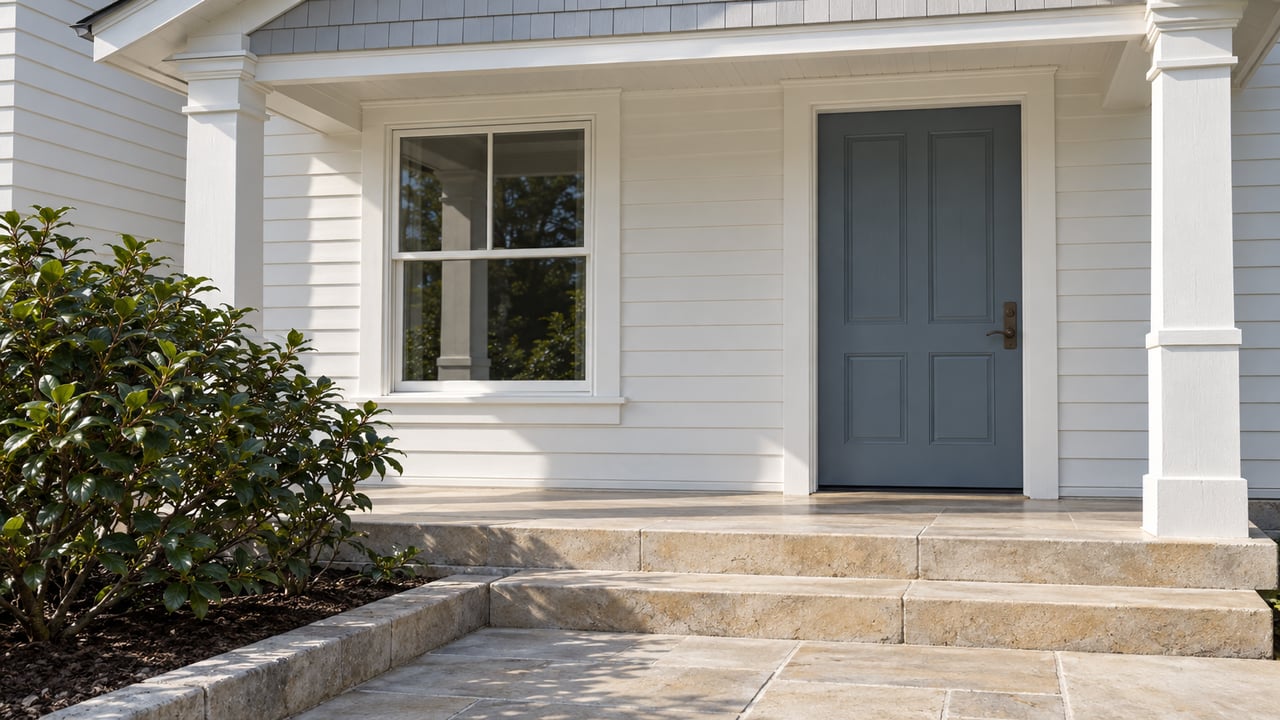
The City’s Historic Context Statement notes that a property’s setting should retain the relationship between indoor and outdoor space. That makes outdoor elements more than cosmetic choices. A porch, patio, balcony, or deck can be part of the home’s historic setting and should be approached with that in mind.
For owners considering upgrades, this is where local product knowledge becomes especially valuable. A good plan is not just about adding function. It is also about respecting the home’s design, preserving its character, and avoiding costly missteps during review.
For some designated historic resources in residential zones, the City says owners may apply for Mills Act agreements. These agreements can provide a property tax reduction in exchange for preservation and restoration.
If you own or are considering a historic Coronado Village home, that can influence how you think about renovation strategy and long-term stewardship. It may also play a role in future resale positioning, especially for buyers who value architectural integrity and thoughtful upkeep.
Not every property will qualify, and not every renovation path will make sense. Still, the Mills Act is an important local factor to understand when evaluating value-add opportunities in Coronado’s historic housing stock.
If you are buying in Coronado Village, look beyond square footage and count how the home actually lives. Ask whether the porch, patio, balcony, or courtyard feels usable in real life. In this market, well-designed exterior space can add daily comfort and strengthen long-term appeal.
If you are selling, consider whether your outdoor areas feel cohesive with the home’s architecture and scale. In a neighborhood defined by compact lots, historic character, and a mild coastal climate, buyers often respond to outdoor spaces that feel calm, functional, and well resolved.
For both buyers and sellers, the key is context. Coronado Village outdoor living is not about the biggest possible upgrade. It is about creating exterior space that suits the lot, respects the architecture, and works with local review standards.
In a market as nuanced as Coronado, those details can matter more than you think. If you are weighing a purchase, preparing a listing, or exploring renovation potential, Flagship Properties offers discreet, local guidance grounded in Coronado market knowledge and real-world design insight.
Stay up to date on the latest real estate trends.

You’ve got questions and we can’t wait to answer them.