Should You Renovate Before Selling In Coronado Village?
Wondering whether you should renovate before selling in Coronado Village? It is a smart question, especially in a market where buyers notice presentation but do not always reward major pre-sale spending dollar for dollar. If you own a home in 92118, the right answer usually depends on your property’s character, condition, timeline, and whether local review rules could slow the process. Let’s dive in.
In March 2026, Redfin reported a median sale price of $2.36 million in 92118, an average of 40 days on market, and a median sale-to-list ratio of 96.5%. That points to an active market, but not one where every renovation automatically pays off at closing.
Some homes still receive multiple offers, which means first impressions matter. At the same time, this kind of pricing environment does not guarantee that a large remodel will be fully recovered. In Coronado Village, strategy matters more than simply spending more.
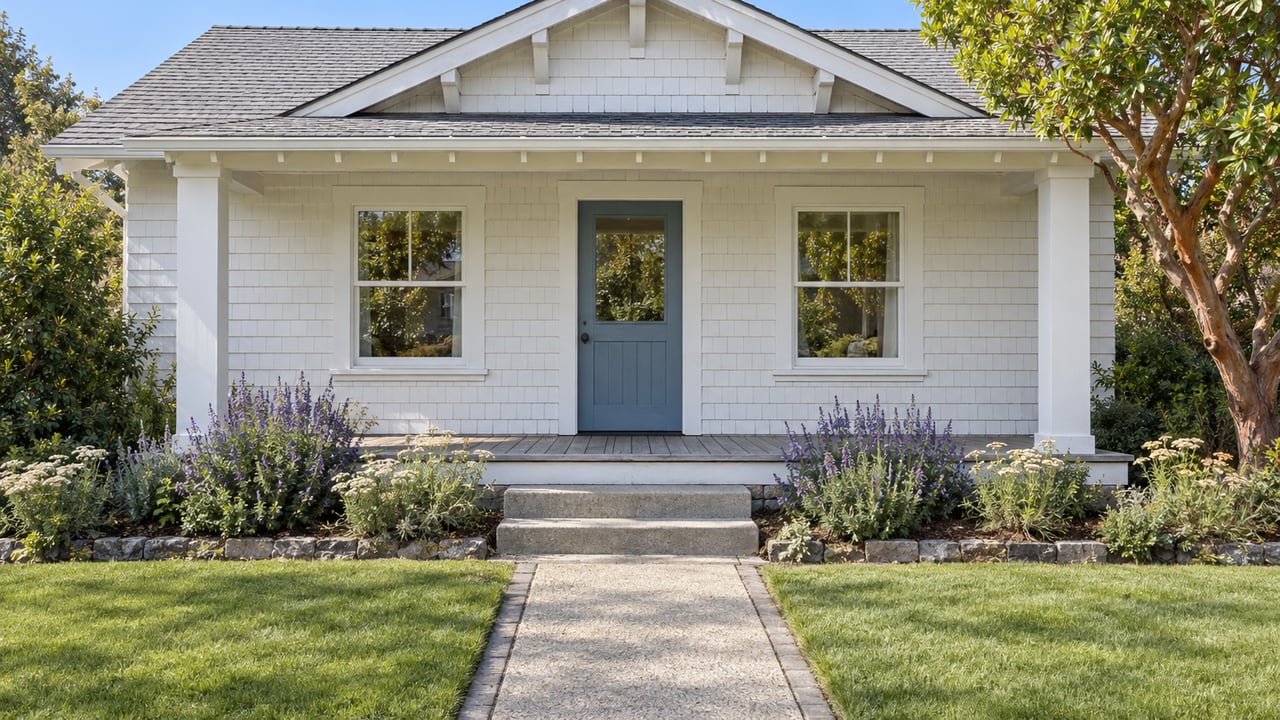
Coronado’s housing stock includes homes from the late 1880s through the late 1960s. The city identifies Craftsman, Tudor Revival, Spanish Colonial Revival, Mediterranean Revival, and Beach Cottage styles throughout the community, with Craftsman, Tudor Revival, and Spanish Colonial Revival especially common among single-family homes.
That matters because buyers in the Village often respond to architectural character, not just new finishes. Original proportions, porch details, wood cladding, and other period elements can help define a home’s appeal. In many cases, preserving those features is more valuable than replacing them with generic updates.
National buyer data supports that idea. NAR’s 2025 Profile of Home Buyers and Sellers found that buyers who prefer existing homes often cite value, lower price, and charm or character. For a Coronado Village seller, that suggests you may not need a full modernization to stay competitive.
Character helps, but condition still matters. NAR’s 2025 Remodeling Impact Report found that 46% of buyers were less willing to compromise on home condition.
That means worn bathrooms, dated kitchens, peeling paint, damaged roofing, and visible deferred maintenance can create discount pressure. Even when your home has strong architecture and an excellent location, buyers may still adjust their offers if they see obvious work ahead.
A good rule is simple: preserve what gives your home personality, but address the issues buyers will notice right away. That balance is often the most effective pre-list strategy in Coronado Village.
If your time or budget is limited, visible and low-disruption work usually makes the most sense. According to NAR’s 2025 Remodeling Impact Report, the most commonly recommended pre-list projects include painting the entire home, painting one interior room, and making sure the roof is in good shape.
For lower-cost preparation, agents most often recommend:
These steps may sound simple, but they can have an outsized effect on how your home shows. In a market like Coronado Village, clean presentation can help buyers focus on the property itself rather than a to-do list.
Before committing to a renovation, it is worth considering staging. NAR’s 2025 Profile of Home Staging found that 83% of buyers’ agents said staging makes it easier for buyers to visualize a property as a future home.
The same report found that 29% of agents said staging increased the dollar value offered by 1% to 10%, while 49% of sellers’ agents said staging reduced time on market. The rooms most often staged were the living room, primary bedroom, dining room, and kitchen.
For many Coronado Village homes, staging can be a strong alternative to a major remodel. It helps buyers see scale, flow, and lifestyle without requiring you to open walls, redo layouts, or take on a lengthy project before listing.
If your home has one especially tired area, selective work is often easier to justify than a whole-house renovation. This is especially true when the rest of the property has strong bones, good light, and architectural integrity.
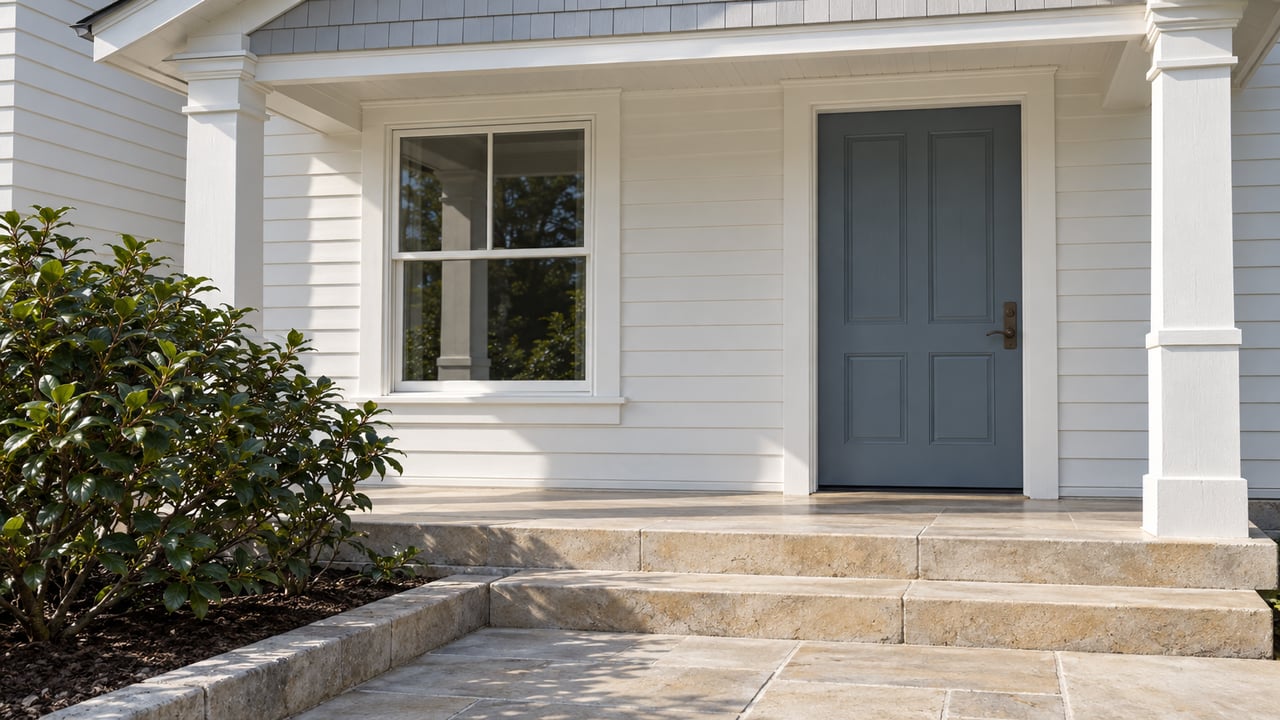
NAR reported increased demand over the last two years for kitchen upgrades, new roofing, and bathroom renovations. But cost recovery still matters. In the same reporting, a new steel front door was estimated at 100% cost recovery, a closet renovation at 83%, and a new fiberglass front door at 80%.
By comparison, complete and minor kitchen upgrades were estimated at about 60% cost recovery, while bathroom renovation was estimated at 50%. That does not mean these projects never make sense. It does mean you should be cautious about investing heavily right before listing unless there is a clear market reason.
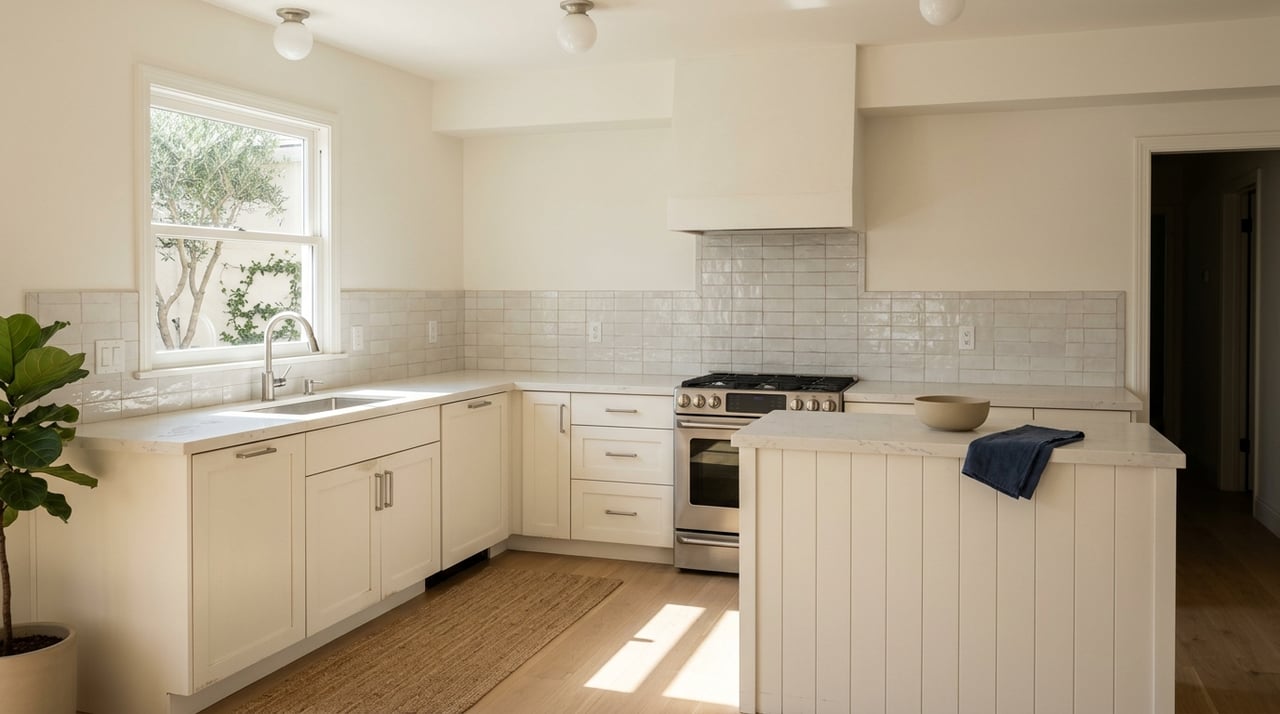
A pre-sale renovation may be worth considering if your home has one issue that clearly drags down buyer perception. Common examples include a visibly worn roof, chipped or dated paint, a neglected front entry, or a kitchen or bath that feels especially tired compared with the rest of the house.
In these cases, targeted work can help narrow the gap between your home’s underlying value and how buyers react during showings. The key is to improve the areas that affect first impressions without erasing the features that make the home distinctly Coronado.
Selling as-is can be the more practical option when the home’s appeal comes from location, lot, architecture, or historic character and the main issues are cosmetic. Buyers in Coronado Village may be willing to accept older interiors if they value the setting and the home’s original style.
As-is can also make sense when you are working on a shorter timeline. If the best return is likely to come from cleaning, decluttering, paint, curb appeal, and staging, a major renovation may add stress without delivering a matching payoff.
This is often the case for homes where preservation matters. If the property already has charm and presence, thoughtful preparation may outperform a rushed remodel.
In Coronado, renovation decisions are not just about cost and taste. They can also involve permitting and review.
The city’s Building Services department handles residential remodel and addition permits. The Design Review process also includes a specific application for new construction or exterior remodel, and the city lists certain like-for-like residential re-roof projects on non-historic properties as over-the-counter submittals.
That means even ordinary-looking pre-list work can become more involved if it affects the exterior. Before you commit to any project, it is important to understand whether the work is interior, exterior, or potentially subject to added review.
Historic preservation is a major part of the Coronado Village decision. According to the city, a Determination of Historic Significance Review is required when a project includes demolition or removal of original features visible from the street right-of-way on a structure that is 75 or more years old and is not a Tier 3 property.
The city also states that a Historic Resource Alteration Permit is required for any exterior modification to a designated Historic Resource. In addition, owners of designated historic resources in residential zones may apply for a Mills Act agreement, which offers a property-tax reduction in exchange for preservation and restoration commitments.
For sellers, the takeaway is clear: if your home is older or historically designated, confirm the rules before planning exterior work. A project that seems simple on paper can become a much slower pre-list process if it affects original street-facing details or historic fabric.
If you are deciding whether to renovate before selling in Coronado Village, this framework can help:
In most cases, Coronado Village does not demand a full gut remodel before sale. It more often rewards thoughtful, market-aware improvements that respect the home’s architecture, fit the seller’s timeline, and address the things buyers see first.
If you are weighing whether to refresh, renovate, or sell as-is, Flagship Properties can help you evaluate what will best support your sale, timeline, and property’s long-term value.
Stay up to date on the latest real estate trends.





You’ve got questions and we can’t wait to answer them.