Coronado Cays Rental Rules: Minimum Stays and Advertising
What should you know about rental income projections for a Coronado Cays property?
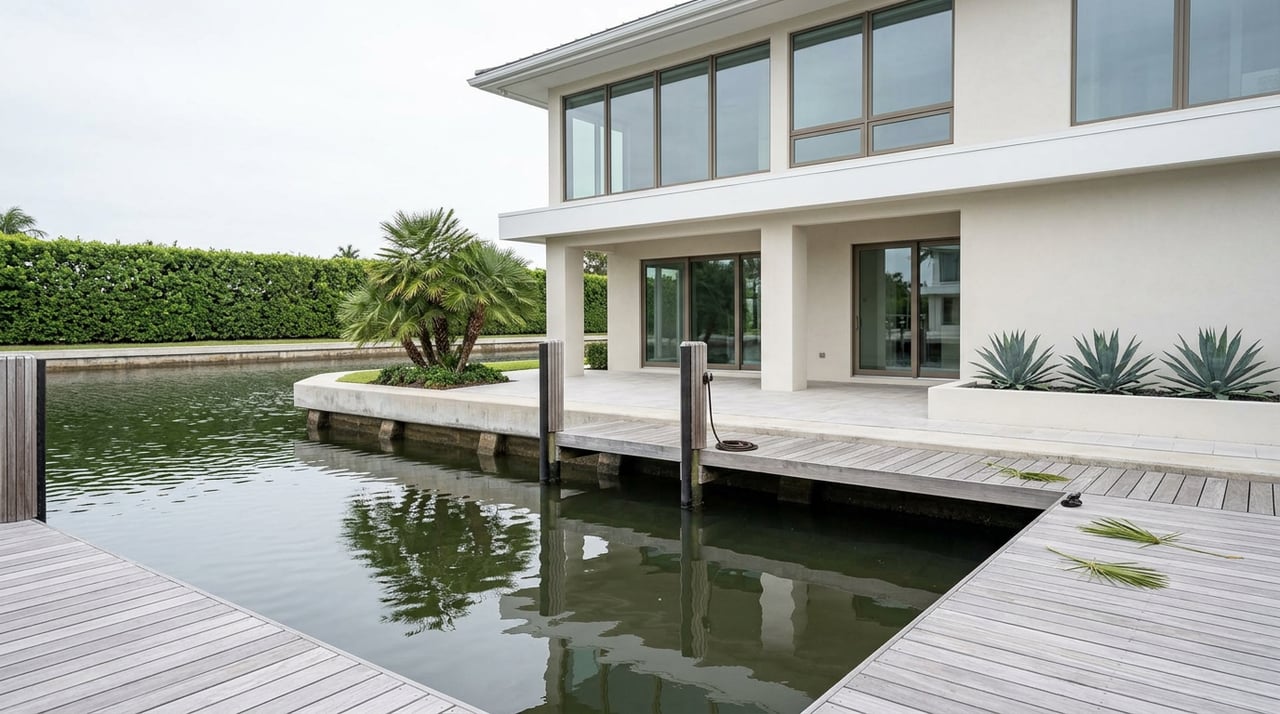
Most buyers who look at a canal-front condo in the Cays, private dock included, run the same mental math. Waterfront property in a resort town, two million annual visitors passing through Coronado, a boat slip that could rent by the week to a sailing family or a Navy family between duty stations. The math works on paper. But rental projections need to account for both minimum-stay rules and rental-advertising requirements.
Start with what is public and settled. Coronado Municipal Code Chapter 86.78 sets a minimum rental period of 26 consecutive nights across residential zones, and the code section governing it has been current through Ordinance 2025-07, passed June 17, 2025. Anything shorter is a transient rental, and transient rentals are barred outright in residential Coronado. STR Profit Map notes that there is no permit path or tiered license structure the way San Diego's STRO ordinance works across the bridge, where Mission Beach's Tier 4 waitlist sat completely frozen in early 2026 with zero licenses available. Coronado skipped that entire system decades before Airbnb existed. The rule is simple to state. Most Cays research stops there.
It should not, because the city rule is the floor, not the ceiling, in the Cays.
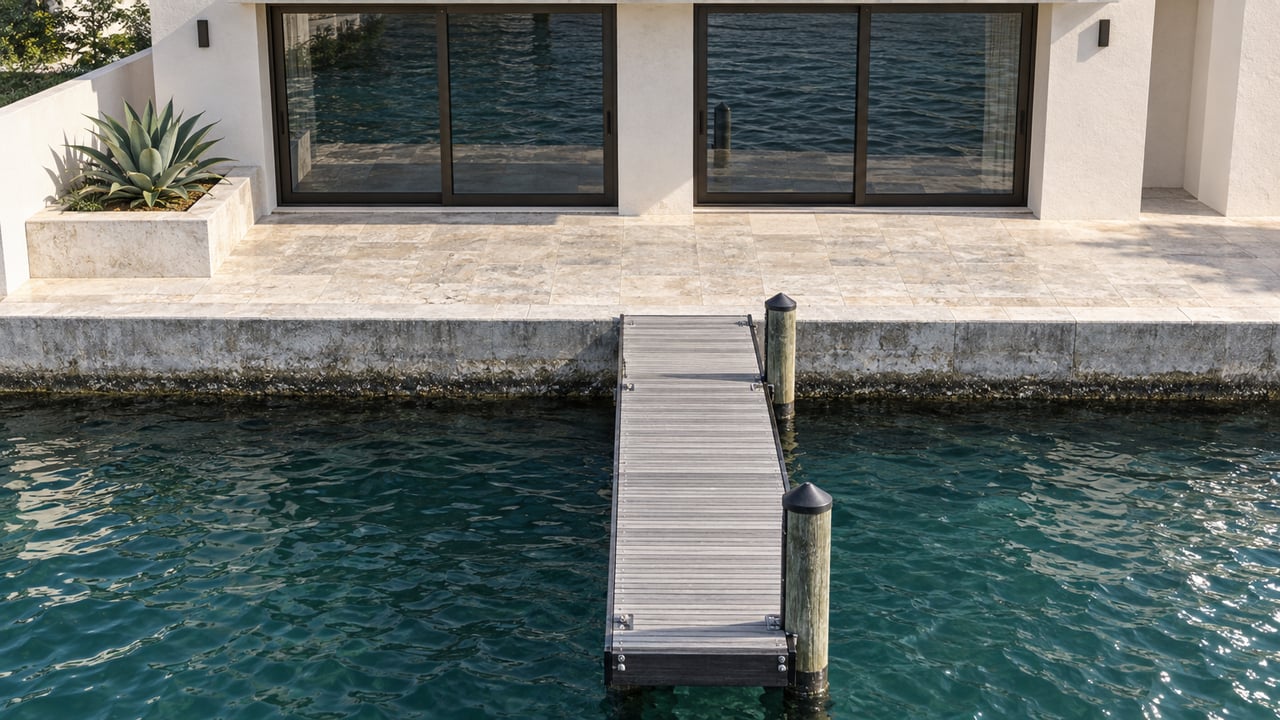
The Coronado Cays Homeowners Association member handbook adds its own rental restrictions. First, it treats leases of 25 days or less as a prohibited commercial use. Second, and this is the part that changes how you should structure a deal, it requires that any lease cover the entire residence as a single unit, including the garage and any dock or boat slip that comes with the home. You cannot lease the house on a monthly basis while renting the slip out separately by the week to a visiting boater. The HOA treats the whole package as one leasehold or none at all.
Here is how the layers actually stack for a Cays owner:
| Layer | What it says | What it means for your deal |
|---|---|---|
| City code (CMC 86.78) | 26-night minimum stay in residential zones, no permit or license system | Nightly or weekly rental is not a licensing problem to solve. It is not legal at any price. |
| Cays HOA handbook | Leases of 25 days or less are a prohibited commercial use, and any lease must include the dock, slip, and garage as one bundle | You cannot carve out the water access and rent it on a different schedule than the house |
| Marketing language | Ads for short-term leases can be treated as evidence of a violation | The violation can exist before a single guest ever books, checks in, or pays you |
This is the part that surprises owners who assume compliance is only about how long a tenant actually stays. The HOA handbook treats internet, print, and any other advertising for short-term leases as proof of a violation in itself. The stay length you eventually deliver does not erase the exposure created by how you marketed it.
For an owner used to other coastal rental markets, where the risk lives entirely in the transaction, this reframes the whole approach. You are not managing risk at the booking stage. You are managing it at the listing stage, before a renter ever exists.
There is a second layer buyers often miss entirely. Coronado's guidance on accessory dwelling units states that ADUs and junior ADUs cannot be used as short-term vacation rentals either. If your renovation plans for a Cays property include a garage conversion or a detached unit as a rental play, that unit inherits the same restriction as the main house.
None of this means the Cays is a poor rental market. It means the tenant profile looks different than the one most buyers picture. Coronado supports roughly 20,000 military and civilian personnel tied to its Navy facilities, and the island draws around two million visitors a year who are not all staying in hotels. That combination produces steady demand for furnished, extended-stay housing from a specific set of renters: boat owners who want dock access for a season, Navy-affiliated households between assignments, seasonal residents wintering on the water, and remote workers who want a month or two on a canal before committing to a purchase.
A compliant lease built around that demand tends to include a few things:
This is a slower, steadier income model than a beach town Airbnb calendar. It is also the only one that survives contact with both the city code and the HOA handbook at the same time.
Owners sometimes hear that Coronado's citywide enforcement is inconsistent and read that as room to operate. A February 2026 op-ed in the Coronado Times argued the opposite case from the resident side, pointing out that the city has not been actively enforcing its own ban and is not currently collecting transient occupancy tax on legal rentals the way San Diego does. That is a real gap, and it may close. It is also not the enforcement layer that matters most if you own in the Cays.
The Coronado Cays HOA maintains its own rule enforcement and community safety patrol through Allied Universal, separate from anything the city does or does not chase down. The handbook's fine and hearing process does not depend on City Hall's staffing or priorities. If the city's enforcement posture is loose today, that is a citywide observation, not a Cays-specific one, and it is the kind of condition that tends to tighten once it draws public attention rather than the reverse. Betting a rental strategy on a gap that a local newspaper has already flagged in print is a weaker plan than building around the rule that is actively enforced on the ground where you actually own property.
If rental income is part of your reason for buying in the Cays, a few documents belong in your due diligence file before the offer, not after it:
Can I rent the boat slip separately from the house? No. The HOA handbook treats the dock or slip as part of the same leasehold as the residence, not a separable asset you can lease on its own schedule.
Does a 26-night lease automatically satisfy the HOA as well? Not necessarily. The HOA's own threshold is 25 days or less as the violation line, and it layers additional requirements around bundling and marketing language on top of the city minimum.
Is San Diego's newer short-term rental enforcement relevant to a Cays property? Only as a point of contrast. San Diego's STRO tiers and its 2026 platform data-sharing rules govern the City of San Diego, not Coronado, which has operated under its own 26-night standard for decades.
If you are weighing a Coronado Cays purchase and want to understand what a specific property's rental history, HOA standing, or dock configuration actually supports, Flagship Properties can walk through the details before you write an offer. Schedule a private consultation or request a confidential home valuation to start with the facts particular to the property you have in mind.
This article is general information, not legal, tax or financial advice. Consult a qualified professional about your situation.
Stay up to date on the latest real estate trends.


You’ve got questions and we can’t wait to answer them.