Waterfront Home Styles In Coronado Cays
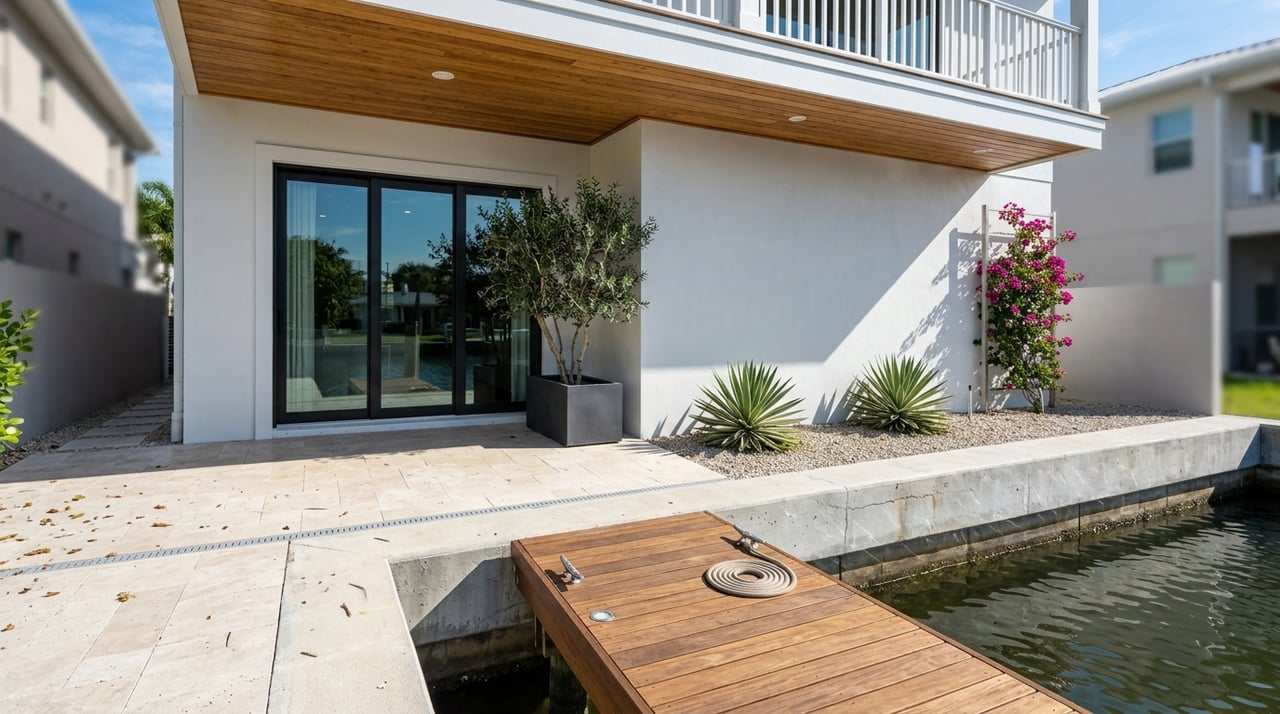
If you picture every waterfront home in Coronado Cays the same way, you may miss some of the most important differences. In this marina community, home style affects how you live on the water, how much outdoor space you have, and how boating access works day to day. If you are comparing options in the Cays, understanding the local housing types can help you narrow your search with more confidence. Let’s dive in.
Coronado Cays is a master-planned marina community on San Diego Bay with about 1,200 condos, town homes, and custom homes, along with more than 600 boat slips. The community’s overall character is shaped by the Cays Specific Plan and HOA design review, which help maintain its low-rise, waterfront setting.
One important point for buyers is that village names do not always tell you the full home type. Some villages include detached homes, some are attached residences, and some include a mix. That means it helps to look past the address and focus on the zoning framework, building form, and dock setup.
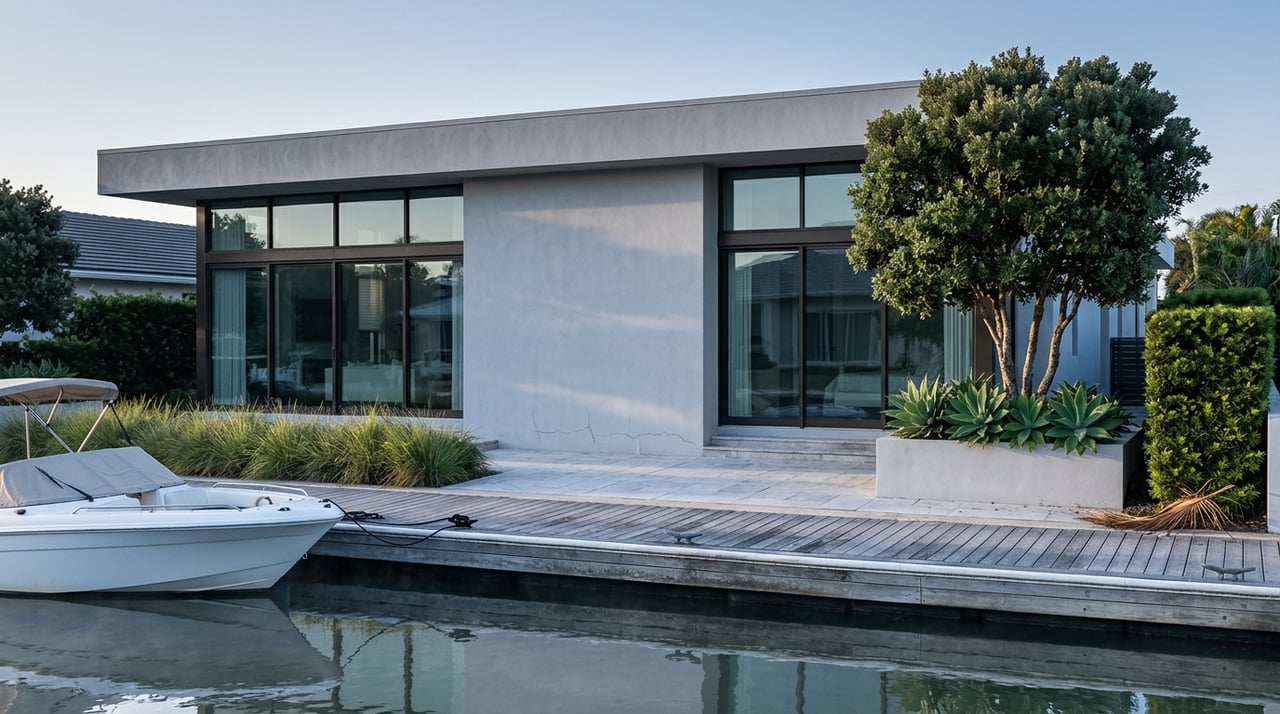
The homes many buyers think of as classic canal-front properties are generally found in the Custom Waterfront Homes Zone. This includes Green Turtle and Blue Anchor, where detached single-family homes are the primary product type.
These residences are allowed up to two stories or 35 feet in height, with a minimum living area of 2,000 square feet. The Specific Plan also requires a 15-foot rear yard from the bulkhead and at least 800 square feet of usable rear yard, which helps preserve a more open, water-oriented feel.
For many buyers, this is the most direct waterfront lifestyle in the Cays. Detached placement, larger rear-yard zones, and closer ties between the house, patio, and dock often create a strong indoor-outdoor rhythm.
Recent listings in this category point to a clear design pattern. You will often see open living areas, water-facing great rooms, vaulted ceilings, and strong transitions to patios or decks.
Properties like 51 Green Turtle Road and 27 Green Turtle Road have been marketed around channel views, remodeled interiors, and seamless indoor-outdoor living. The emphasis is often on entertaining, natural light, and everyday access to the water.
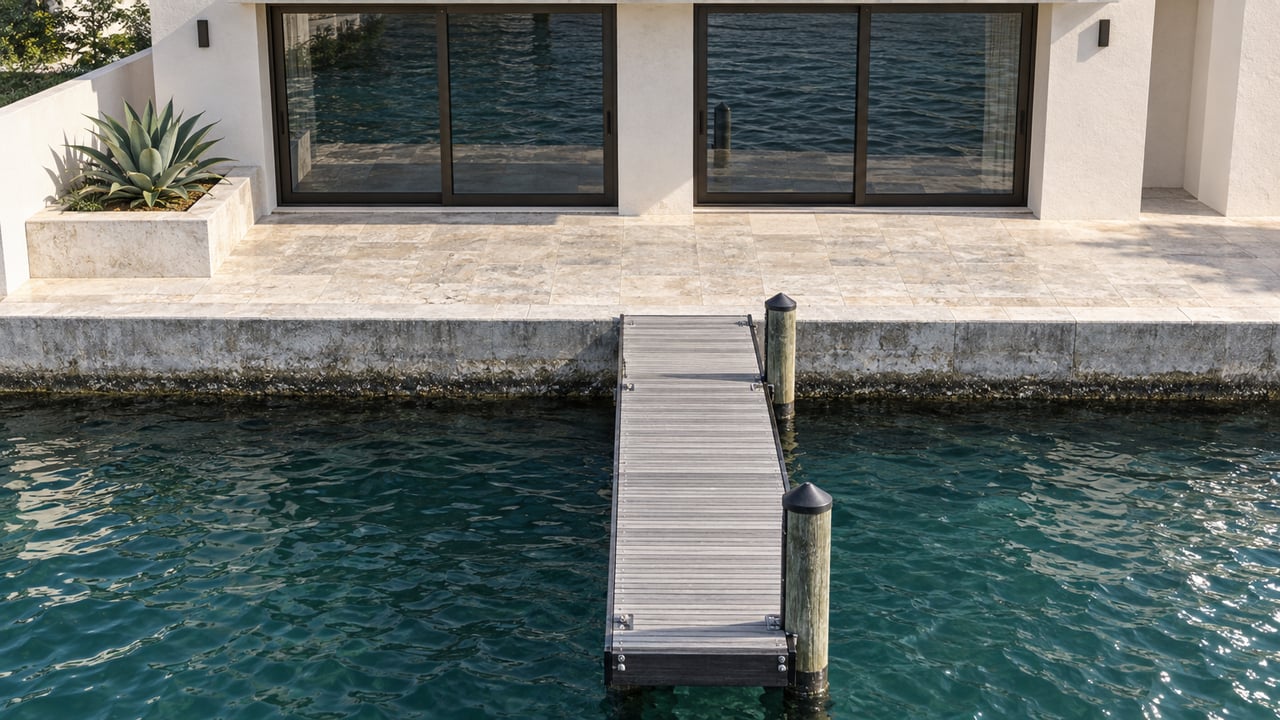
Dock access is a major reason buyers focus on this home style. In the Cays, docks, floats, pilings, and related wharfage facilities are allowed only within defined easements along the channels, and all docks are subject to Wharfage CC&Rs.
The HOA handbook states that docks may be used only for noncommercial boats owned by residents or property owners. Liveaboards are not allowed. If you are evaluating a home with an existing dock or considering future dock changes, the rules matter just as much as the lot layout.
Some detached waterfront homes offer a different setting from the internal canal streets. Listings such as 40 Spinnaker Way show a more open bayfront orientation, with light-filled rooms and private slips tied closely to wider water views.
A separate listing for 55 Spinnaker Way describes that street as the only one in the Cays with detached waterfront homes and a sandy beach on the bay. That suggests a distinct edge-of-bay experience compared with the more enclosed channel-front setting found elsewhere.
For buyers, the difference is not just visual. A bayfront home may offer a broader sense of openness, while a canal-front home may feel more tucked into the marina fabric of the neighborhood.
If you want waterfront living with a more structured attached-home format, the Waterfront Villa Zone is worth a close look. This zone includes Antigua, Kingston, and Montego and allows residential buildings with four or more attached units.
These homes may rise to three stories or 40 feet, with a minimum living area of 1,400 square feet and a 20-foot waterway setback. Compared with custom detached homes, villas often trade larger private yard areas for a more compact footprint and an easier maintenance profile.
Waterfront villas can still support a boating lifestyle, but the setup is typically more managed. The HOA handbook notes that association-owned docks are located in Antigua, Jamaica, and Kingston, with guest docks in Antigua and Kingston.
That structure can appeal to buyers who want access to the marina environment without taking on the same level of private dock responsibility often associated with detached waterfront homes. It is a different ownership experience, not a lesser one.
Listing examples help show how these homes live. A property such as 38 Antigua Court has been marketed with a 37-foot boat slip and an open-concept layout oriented toward the marina and bay.
In practical terms, villas often prioritize natural light, flexible gathering space, and water-facing living areas. Outdoor living is still part of the experience, but it is usually more contained than the larger rear-yard entertaining zones seen in many detached homes.
The Village Townhouse Zone applies to attached homes in Jamaica, Bahama, Trinidad, and Port Royale. These residences are capped at two stories or 35 feet and require at least 1,400 square feet of living area.
Because they use common walls and zero interior side yards, the layout tends to be more compact and efficient. Rear yards are also smaller, often around 500 square feet usable, or 400 square feet when paired with an atrium or entry court.
For many buyers, townhomes hit a useful middle ground. You may get more separation and scale than a condo, while still keeping maintenance and outdoor space more manageable than in a detached canal or bayfront home.
Townhomes in the Cays often center on openness and flexibility rather than sheer square footage. A recent listing such as 9 Jamaica Village Road highlights a bright open floor plan, patio space, and an optional room, which reflects the adaptable nature of this product type.
If your priorities include a lock-and-leave setup, boating access in certain villages, and enough space for guests or a home office, townhomes can be a practical fit. The tradeoff is that privacy and yard depth are typically more limited than in detached homes.
Mardi Gras is the Village Condominium Zone, which is the most compact of the main waterfront-oriented housing types discussed here. The minimum living area is 1,300 square feet, and front, rear, and side yards are treated as exclusive-use common areas under the condominium plan.
That legal and physical structure matters. It often means lower-maintenance outdoor space and a more shared site design, which can appeal if you want the Coronado Cays setting without the same level of exterior upkeep.
A listing such as 30 Mardi Gras Road has been described as a detached patio home or condo with vaulted ceilings, an atrium, and single-level living. That example shows how the Cays can offer variety even within more compact formats.
Choosing among Coronado Cays waterfront home styles usually comes down to a few core lifestyle questions.
If direct private-dock potential is your top priority, custom and bayfront detached homes often stand out. Attached homes may still offer slips, but access is more likely to be association-managed and village-specific.
Detached homes generally provide the most separation and the largest true rear-yard areas. Townhomes, villas, and condos often rely more on common walls, atriums, patios, and shared landscaping patterns.
Canal and bayfront homes often emphasize rear patios, decks, pools or spas, fire pits, and outdoor kitchens. Attached residences typically focus more on patios, courtyards, and community-oriented outdoor spaces.
Across the Cays, the low-rise planning framework supports a light, open feel. Many homes, whether detached or attached, lean into open kitchens, water-facing living rooms, vaulted ceilings, and indoor-outdoor transitions rather than vertical high-density living.
If you are comparing move-in-ready homes with properties that may need updates, it is wise to pay attention to the regulated elements. Bulkheads, docks, and wharfage structures are subject to rules, and dock alterations must comply with Wharfage CC&Rs.
That is where local product knowledge can make a real difference. In a place like Coronado Cays, renovation potential is not only about finishes and floor plans. It is also about understanding what the planning framework and governing documents allow.
The best waterfront home style in Coronado Cays depends on how you want to use the property. If your focus is direct dock access, larger outdoor areas, and a more private waterfront setting, detached canal or bayfront homes may rise to the top.
If you want a lower-maintenance setup with access to the marina lifestyle, waterfront villas, townhomes, or condos may offer a better fit. The key is to compare not just price and square footage, but also boating structure, yard configuration, privacy, and renovation flexibility.
In a nuanced market like the Cays, small differences in product type can shape your ownership experience in a big way. If you want help evaluating home styles, dock considerations, or renovation potential in Coronado Cays, connect with Flagship Properties for a private consultation.
Stay up to date on the latest real estate trends.


You’ve got questions and we can’t wait to answer them.